

Evento/Masterclass, Masterclass: Turin
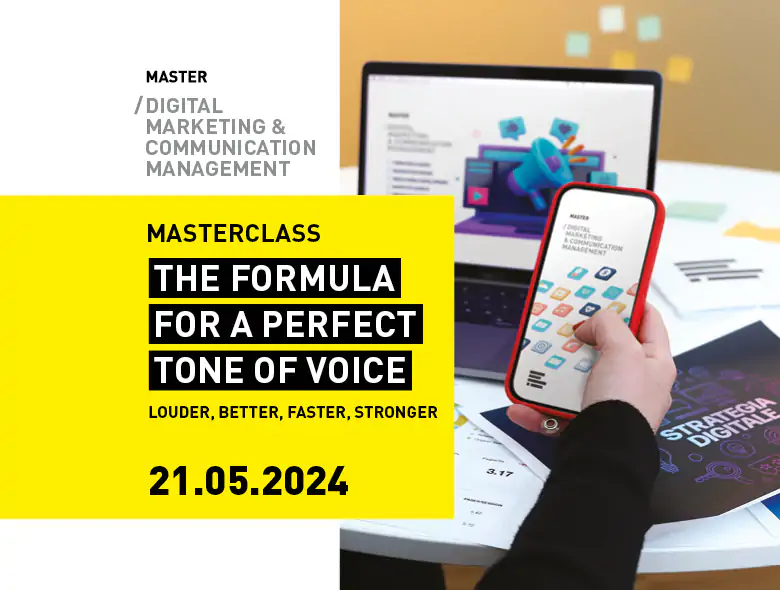
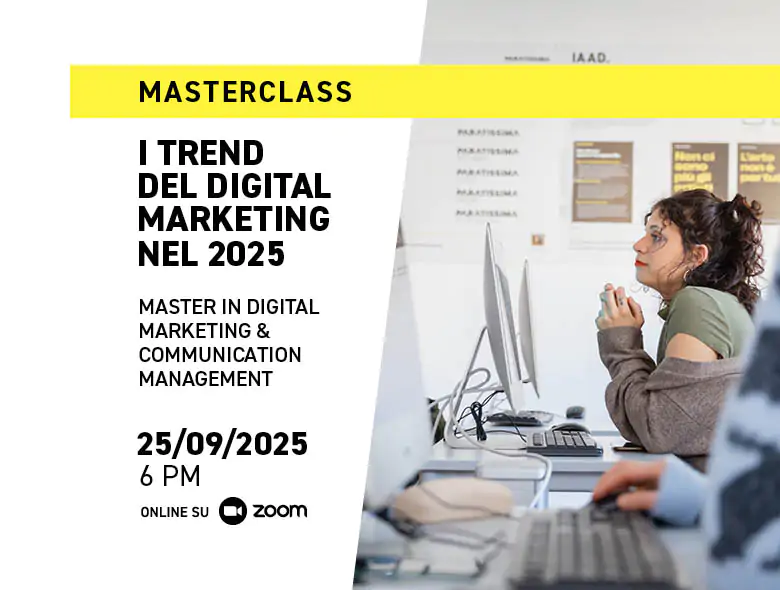
Masterclass: Digital Marketing Trends in 2025
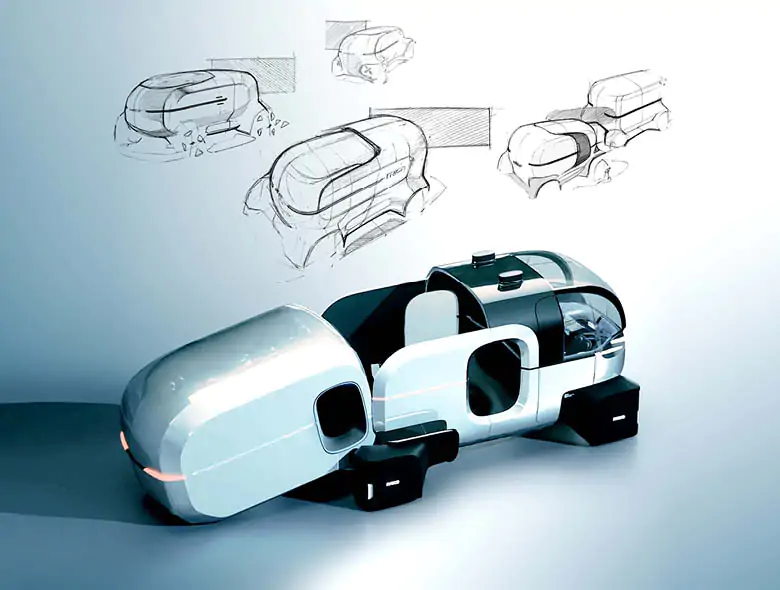
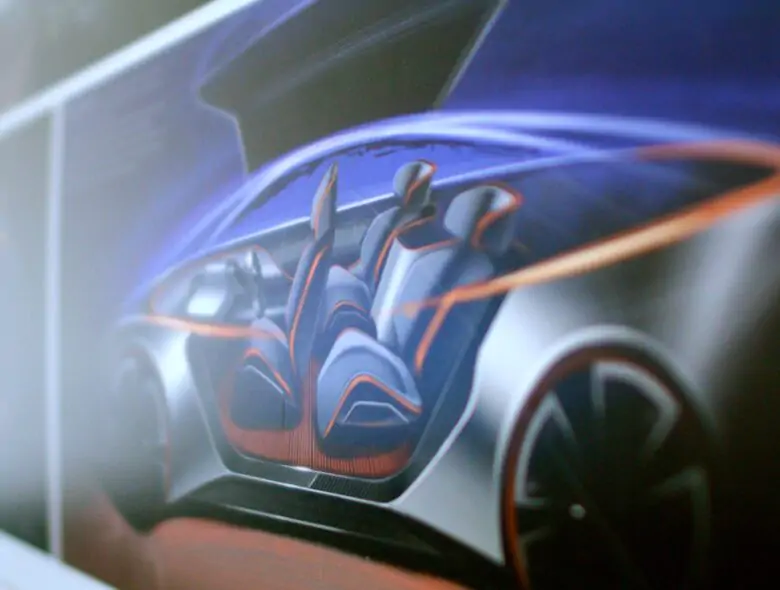
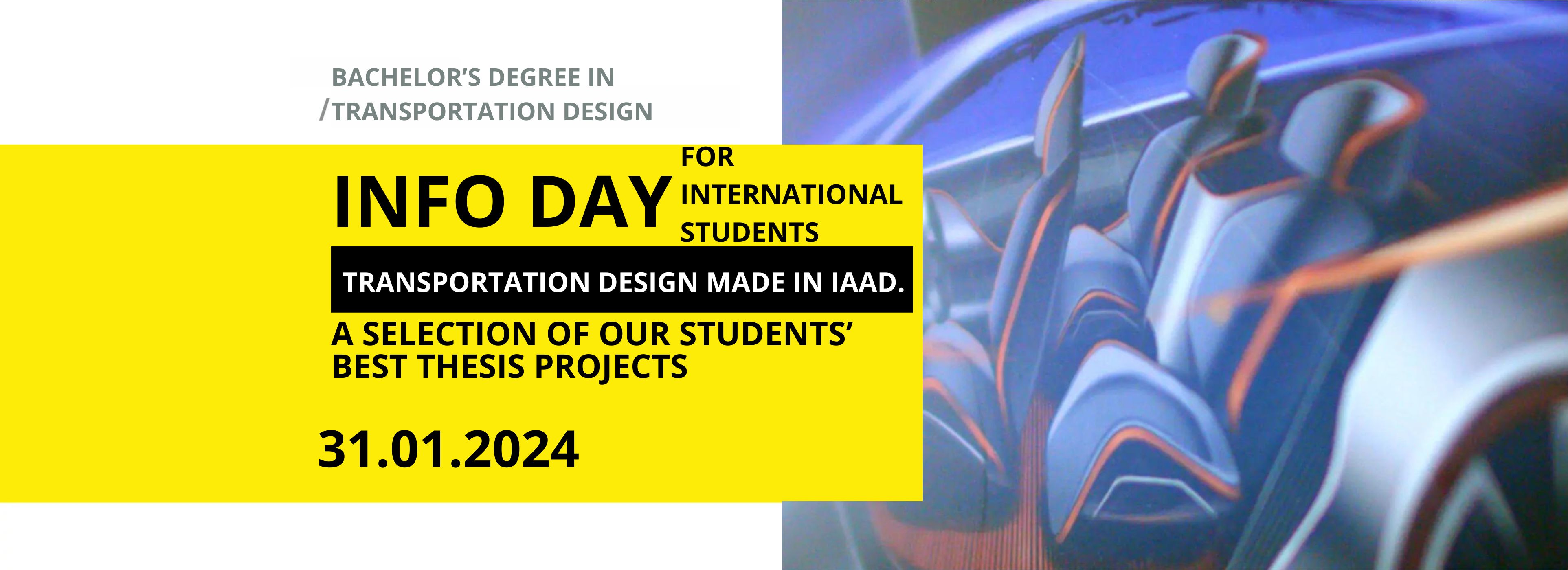
A selection of our students’ Best Thesis Projects in Transportation design
Where:
When:
Time:
Date:
31 January 2024
Time:
4 P.M. – 5 P.M.
Campus:
IAAD. Torino
Where:
Online
Event Type:
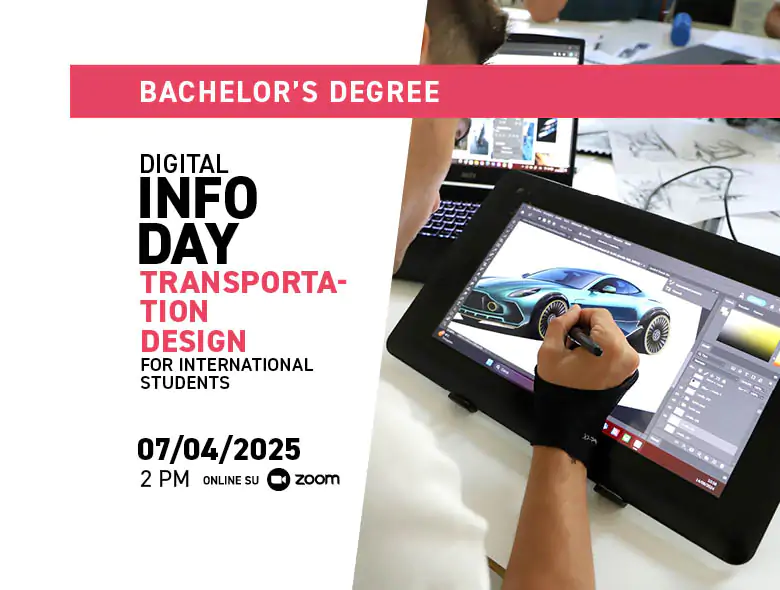
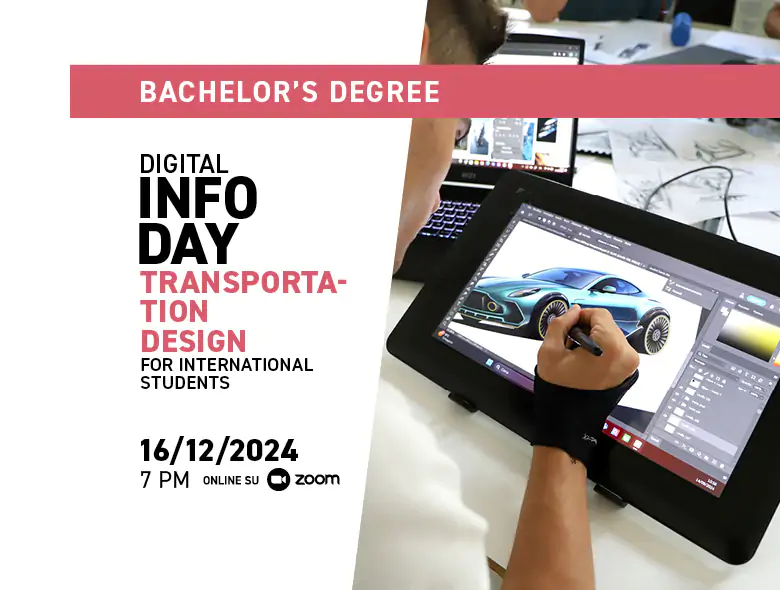
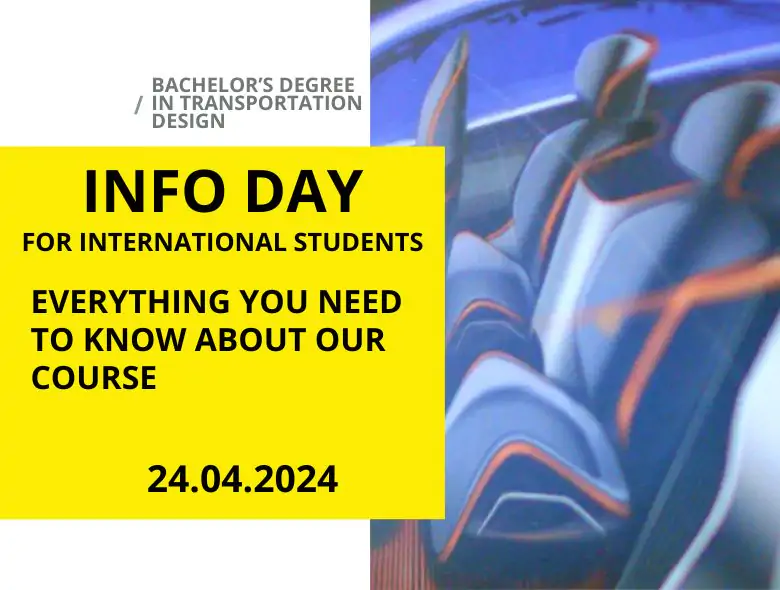
Info Day
For further information:
[email protected]
011 548868
An in-depth event linked to the world of Transportation Design and the talent that can reach incredible levels of quality thanks to excellent teaching preparation.
WHAT IS THE INFO DAY OF THE BACHELOR’S IN TRANSPORTATION DESIGN?
This is an in-depth lesson on the topics of the course, held by Davide Tealdi, Coordinator of the Bachelor’s in Transportation design: we’ll see some of the best projects made during the Bachelor’s and how those projects are the evolution of the professional context in Transportation industry.
The event will be held totally in English!
WHO IS THIS EVENT FOR?
The invitation is open to students interested in applying to the next intake of the Bachelor’s in Transportation design.
HOW IS THE INFO DAY ORGANIZED?
The event lasts one hour, divided into:
FURTHER INFORMATION ABOUT THE EVENT
Participation in the Info Day is free, with reservations required.
Don’t miss this unique opportunity to find out if the IAAD. is the right choice for you and your future!
Register now to the event and reserve your spot.
Other events
Evento/Masterclass, Masterclass: Turin
Masterclass “The Future of Mobility with IAAD.” – 04.02.2025
Evento/Installation: Turin
REVERSE CHANGE at FISU Village – IAAD. Collection | January 17th 2025

Evento/Masterclass, Masterclass: Turin
Masterclass “How to Build a Brand Identity Online” – 17.12.2024
Campus:
Start date:
Duration:
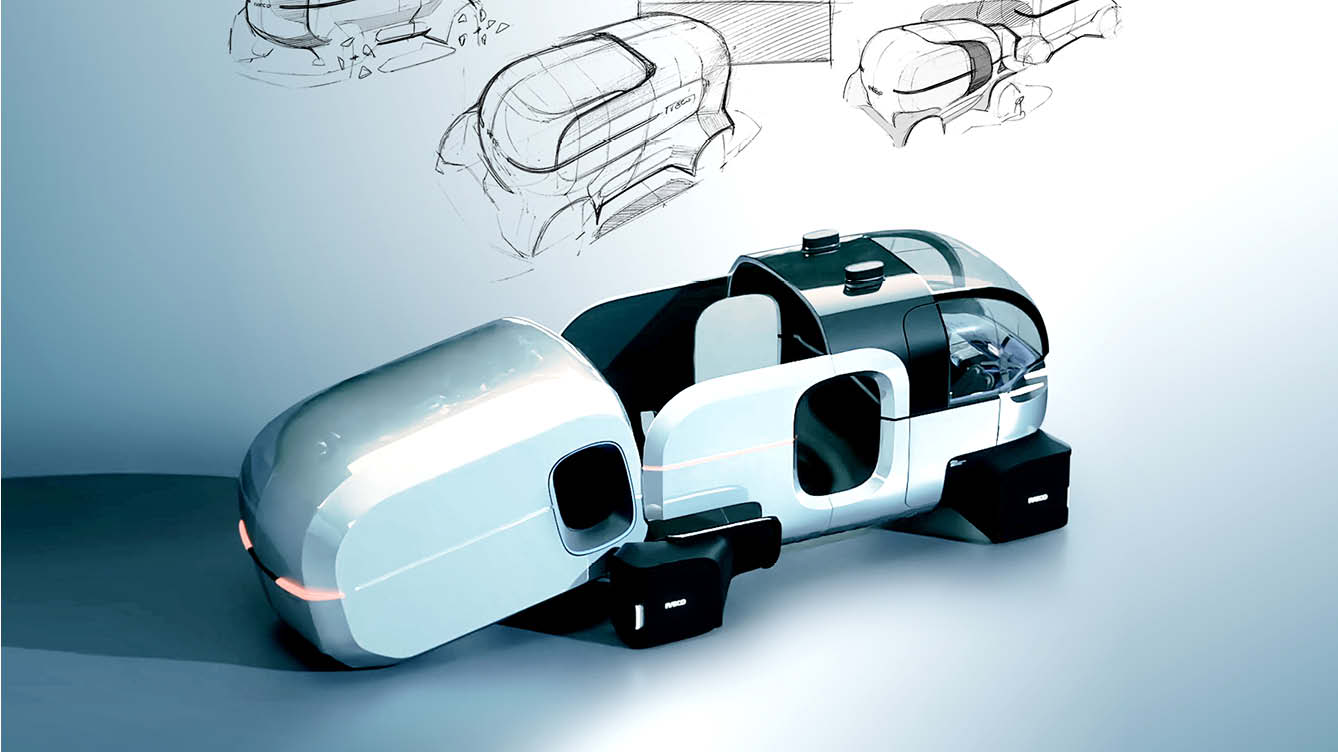
IAAD. Master in Mobility Design is a pioneering programme that blends the rich heritage of Italian design with the latest advancements in mobility, offering students a unique Italian touch in their education.
This interdisciplinary programme emphasizes aesthetics, culture, and poetry, and aims to prepare students to be leaders in the field of mobility design.
IAAD. Master in Mobility Design is a pioneering programme that blends the rich heritage of Italian design with the latest advancements in mobility, offering students a unique Italian touch in their education.
This interdisciplinary programme emphasizes aesthetics, culture, and poetry, and aims to prepare students to be leaders in the field of mobility design.
In collaboration with: Walter De Silva Partners
PRELIMINARY MODULE
Start date: November
Duration: 6 months
Language: English
Mode: full time in person at IAAD. Turin
Format: the Preliminary involves 7 to 9 lessons per week
MASTER MODULE
Start date: May
Duration: 10 months
Language: English
Mode: hybrid
Format: full time
Campus: Turin
FACULTY
Strategic Director: Luca Borgogno
Coordinator: Dario Olivero
Reference field
The mobility design field is constantly evolving and has an important economic impact worldwide.
The consideration for the environment and the growing request for personalized transportation offer new opportunities for mobility designers. In the field of mobility design there’s a growing concern for the environment. Automotive manufacturers are adopting more and more eco-friendly solutions like electric, hybrid and autonomous vehicles.
The objective is to reduce the environmental impact and promoting circular economy, from beginning to end of life of vehicles. These changes have created more job opportunities in the mobility design sector. Moreover, the market is influenced by trends and consumers’ lifestyle. Consumers want means of transportation to reflect their personality, their social status, and their aesthetic preferences. All this led to the creation of personalised vehicles both in their interior and exterior design, along with digital services and a focused user experience to satisfy an increasingly demanding customer base.
Why is IAAD. different from other Mobility Design Masters?
The best way to become a professional in Transportation Design is by being trained to learn from experts in the field. Thanks to this insight, IAAD. is the first Italian school of higher education specializing in Transportation Design.
More than 40 years of experience in the field of Transportation, the Institution’s research assets in the field of Mobility, and experience in the development of innovative mobility solutions in cooperation with leading partner companies all come together in the Master’s programme.
The design work carried out in collaboration between IAAD. and partner companies allows students to put into practice what they study in an environment very similar to what they will encounter in the professional field.
This system also allows students to simulate working conditions in a professional context: working with precise deadlines, correcting work in progress following customer feedback, working in teams and objectives. The Master is based on an idea of Walter De Silva, a master of Transportation Design who signed the evolution of the major brands of the VW group between 2007 and 2015.
Both Preliminary and Master’s programmes are intended for graduates in Transportation Design, Industrial Design, UX/UI Design, Generative Design, Architecture, Automotive Engineering and related subjects, and those candidates who matured significant professional experience in the transportation, urban planning, environmental and sustainable sciences fields.
In particular:
Design Graduates – students with a background in design, transportation design or related design fields can pursue the Master to specialize in designing mobility solutions.
CGI Artists – through the Master’s programme they can apply their skills in creating realistic 3D renderings, animations, and virtual simulations to the automotive field, for design, communication, and user testing phases.
Proficiency in CGI software is advantageous for digital prototyping, virtual design reviews, and human-machine interaction design. Including CGI art in the curriculum prepares students for the digital landscape in the mobility industry.
UX/UI Design graduates and professionals – thanks to the Master’s programme they will be able to apply their competences to create intuitive interfaces in mobility design. Proficiency in UI/UX tools and research methods is beneficial for creating user-friendly solutions. Including UI/UX design in the curriculum provides a holistic understanding of the design process for mobility solutions.
Preliminary
The 4-month Preliminary Module is aimed at imparting analytical, technical and design skills in Transportation Design.
Preliminary thematic areas
Master in Design for Mobility Solutions Shape the future of Smart Transportation
The 10-month long Master will provide a comprehensive and wide-ranging overview and experience of all the latest technical achievements, design trends and environmental aspects to help students fully comprehend and apply this knowledge in their professional approach.
Studying with professional designers and participating in projects with partner companies will stimulate students’ creativity and will give them a real-life insight and experience of the design process, as a useful basis for preparing to their professional careers.
The course will be delivered on site, full time with compulsory attendance from Monday to Saturday (lectures, workshops and individual study).
Master’s thematic areas
| PRELIMINARY MODULE | MASTER MODULE |
|---|---|
| History of vehicle design | Transportation Design |
| Design sketching | Design 3D |
| Digital Design | Human-Centered Design |
| Vehicle architecture | Mobility systems and urban planning |
| Motorbike ergonomics | Italian Design Heritage in Mobility: culture, poetry, and aesthetics |
| 3D Design | Emerging technologies in mobility |
| Motorbike Design | Sustainable Design |
| Transportation Design | Design Marketing and Communication |
| Presentation techniques | Financial strategies for mobility design |
| PRELIMINARY MODULE |
|---|
| History of vehicle design |
| Design sketching |
| Digital Design |
| Vehicle architecture |
| Motorbike ergonomics |
| 3D Design |
| Motorbike Design |
| Transportation Design |
| Presentation techniques |
| MASTER MODULE |
|---|
| Transportation Design |
| Design 3D |
| Human-Centered Design |
| Mobility systems and urban planning |
| Italian Design Heritage in Mobility: culture, poetry, and aesthetics |
| Emerging technologies in mobility |
| Sustainable Design |
| Design Marketing and Communication |
| Financial strategies for mobility design |
ADMISSION REQUIREMENTS AND PROCEDURES
Preliminary Module
Graduates in Industrial Design, Automotive Engineering and related subjects, and candidates who have gained significant professional experience in
the field of transportation can access the Preliminary Module.
Admission is subject to the assessment of the application, to be submitted with a letter of application, curriculum vitae and portfolio.
IAAD. reserves the right to request the candidates, if necessary, to sustain an interview in person or via videocall.
Master Module
Access to the Master Module from Preliminary is subject to passing the Preliminary Module.
For passing the module, students will have to successfully pass set exams and to develop a project-work to be presented in the final stage of the Preliminary Module.
Graduates in Transportation Design or who have gained significant experience in the Transportation Design or modelling can apply for direct admission
to the Master Module. Students will be required to provide proof and a self-certification for their hand and digital representation skills and for their alias and blender software skills.
Admission to the course is in both cases possible only with the approval of the Coordinator of the course based on the assessment of academic qualifications, professional resumé and portfolio.
APPLICATIONS
Applications must contain these documents:
The master Coordinator, assisted by an academic board, will evaluate the received candidacies.
IAAD. reserves the right to ask the candidate, when deemed necessary, an additional interview at the head office or via videocall.
The result of the application will be communicated by the Career Guidance Office to each candidate within 15 days from the reception of the required documents. Please note that selections will take place in chronological order of the date of receipt of applications, until all available places are filled.
Each edition of the course includes the development of a thesis project in collaboration with a partner company.
The design process is developed through a first briefing with the company and subsequent meetings of interim presentation and comparison with the designer supervisors of the partner company involved until the final discussion of the thesis.
This process allows students to develop design, creative, problem solving and team-work skills.
In order to offer its students the best opportunities on the market for creative professionals, IAAD. manages contacts between its students and the professional world, introducing its graduates to the top businesses in their fields. IAAD. has fostered relationships with companies that has resulted in a regularly updated database of businesses that continuously contact the Institute to find young, talented professionals to fill open positions.
The Master’s programme trains professionals capable of creating innovative mobility solutions, from vehicles and transportation systems to mobility services and experiences.
At the end of the course, graduates will be able to pursue careers as mobility designers, UX designers, transportation planners, data analysts, innovation managers, having become professionals well-prepared to contribute to the future of mobility by considering sustainability, user experience, cultural aspects, aesthetics, and innovative technologies in their designs, with a unique Italian design perspective that will set them apart in the industry.
At its sole discretion, the Commission will award scholarships after examination of applications received. The committee will assess the following documents:
Amongst granted scholarships, there will be one that will cover 100% of the tuition fee donated by architect Walter De Silva.
Candidates who have obtained a scholarship will receive the official communication before the beginning of the preliminary module. To maintain the scholarship to the Master module, the assignees’ students must have an exam grade average equal to or not less than 27/30 at the end of the Preliminary module.
No further scholarships will be awarded in the transition phase between the Preliminary module and the Master’s programme.
Evento/Masterclass, Masterclass: Turin
Masterclass “The Future of Mobility with IAAD.” – 04.02.2025
Evento/Installation: Turin
REVERSE CHANGE at FISU Village – IAAD. Collection | January 17th 2025
Evento/Masterclass, Masterclass: Turin
Masterclass “How to Build a Brand Identity Online” – 17.12.2024
Other Master’s Courses
Campus:
Start date:
Duration:
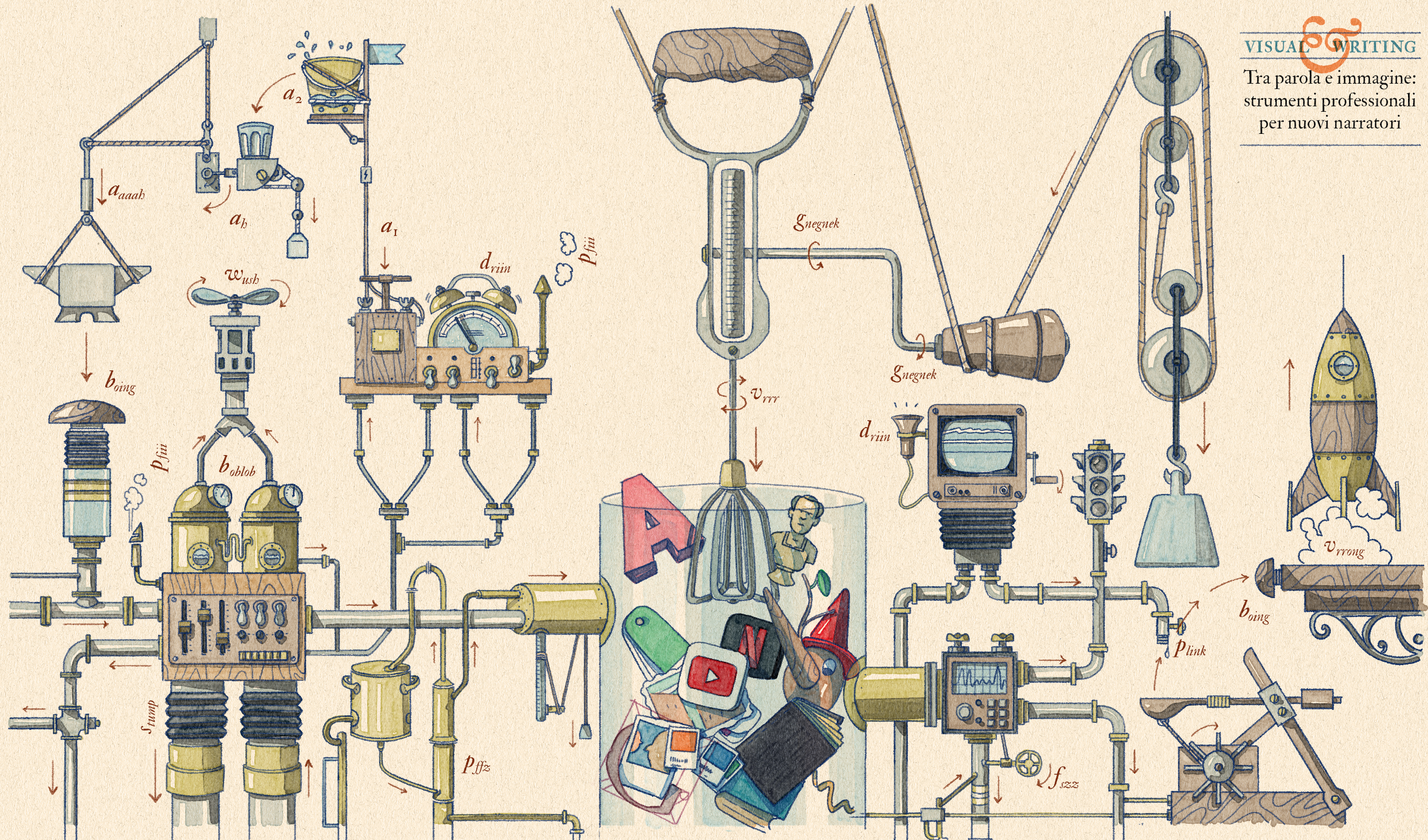
Scuola Holden e IAAD. uniscono le proprie eccellenze nel Master in Writing and Visual storytelling – Tra parola e immagine: strumenti professionali per nuovi narratori, un percorso innovativo volto a formare professionistə in grado di integrare parola e immagine per ideare, costruire, esprimere nuovi racconti declinabili nei diversi ambiti della comunicazione.
Scuola Holden e IAAD. uniscono le proprie eccellenze nel Master in Writing and Visual storytelling – Tra parola e immagine: strumenti professionali per nuovi narratori, un percorso innovativo volto a formare professionistə in grado di integrare parola e immagine per ideare, costruire, esprimere nuovi racconti declinabili nei diversi ambiti della comunicazione.
Start date: March 2026
Duration: 10 months
Language: Italian
Campus: Turin
Coordinator: Silvio Artero
Introduzione al contesto
Mai come oggi sentiamo l’urgenza di immaginare percorsi inediti che portino a professioni nel campo della comunicazione più adeguate al mondo che stiamo abitando, un mondo percorso da trasformazioni epocali che, se da una parte obbligano a riposizionarsi, dall’altra aprono a nuove opportunità e a nuovi strumenti (pensiamo, per esempio, a quello che capita nell’ambito dell’informazione, a partire dai mezzi quali giornali, televisione, podcast, fino ad arrivare alle modalità di fruizione).
Non c’è nulla di nuovo sotto il sole, beninteso, cambiano le esigenze e cambiano le regole del gioco ma, a fronte della domanda di competenze e figure professionali che queste mutazioni richiedono, come agenzie formative di alto livello ci sentiamo in dovere di dare una risposta didattica e culturale che si coaguli attorno alla formazione di professionistə che siano in grado di interpretare e sviluppare queste nuove tendenze. Se si ripercorrono le mutazioni della comunicazione moderna (per convenzione, diciamo dall’inizio del ‘900 a oggi), si capisce chiaramente come il contesto (la politica, la sociologia, le scoperte scientifiche e tecniche, i conflitti, ecc.) ne abbia orientato il percorso.
Se l’affermazione del fordismo e del soggetto “massa” ha contribuito a produrre la grafica come linguaggio universale, servendosi di strumenti come il marchio, la brand identity (il caso Peter Behrens e AEG, ad esempio) o l’infografica (La tube o il sistema Isotype), e indicato il/la progettistə graficə come sacerdotə di un nuovo mondo, così la modernizzazione e i consumi massificati hanno portato alla ribalta i pubblicitari, per lasciare successivamente campo libero, di fronte alla digitalizzazione e alla frammentazione dei mezzi e degli strumenti, a informatici, strategist e content creator.
E oggi?
La figura emergente è un/a professionista che sappia muoversi con agilità sul crinale delle comunicazioni, che sia in grado, cioè, di padroneggiare linguaggi tra loro diversi, come la parola e l’immagine, al fine di formare, attraverso la contaminazione, nuovi racconti. Una figura in grado di assumere la direzione creativa di un progetto di comunicazione, dal below the line all’ADV, dall’editoria alla comunicazione politica, dalla serialità ai nuovi canali digitali.
L’obiettivo del Master è potenziare il processo creativo dei/delle partecipanti, aggiungere quella parte che manca esattamente come se si imparasse una nuova lingua. In questo modo, un/a designer visivə affiancherà alle proprie competenze la potenza della parola (scritta o parlata) e un/a narratorə acquisirà la forza delle immagini.
Tenuti insieme dal filo comune del raccontare abbiamo individuato tre ambiti definiti, e una serie di workshop trasversali, i FUORIPISTA. La metodologia didattica del Master si articola in momenti di didattica, sempre di natura progettuale, e particolare rilevanza didattica hanno i momenti di presentazione e revisione con docenti e colleghə.
Ogni modulo sarà composto da:
MODALITÀ DI EROGAZIONE, FREQUENZA E PARTECIPAZIONE
La didattica del Master è caratterizzata da lezioni frontali e laboratori a frequenza obbligatoria. Allo/a studentə è richiesta la partecipazione attiva ai corsi e un puntuale adempimento di tutti gli assignments che verranno proposti durante i corsi. Inoltre, sarà richiesto allo studente di elaborare un progetto finale che sarà valutato dalla commissione in sede d’esame.
Le lezioni si svolgeranno presso le sedi di Scuola Holden e IAAD.
Durante l’anno accademico, Scuola Holden e IAAD. potranno organizzare visite didattiche presso aziende, mostre e musei, workshop speciali, incontri con professionistə di particolare rilievo.
| MODULO | MATERIA |
|---|---|
| 1 – LE FONDAMENTA | Tecniche della Narrazione Costruzione dell’immaginario |
| 2 – LA SCELTA | Copywriting Photo Editing |
| 3 – LE FORME | Scrittura Fiction Racconto senza parole |
| 4 – LO SGUARDO | Educarsi a guardare |
| 5 – LA VOCE | Oralità e pitching Presentazione senza parole |
| 6 – LO SPAESAMENTO | Instabilità e pressure Il racconto di strada |
| 7 – L’INIZIO | Preparazione della Tesi |
| MODULO 1 – LE FONDAMENTA |
|---|
| Tecniche della Narrazione |
| Costruzione dell’immaginario |
| MODULO 2 – LA SCELTA |
|---|
| Copywriting |
| Photo Editing |
| MODULO 3 – LE FORME |
|---|
| Scrittura Fiction |
| Racconto senza parole |
| MODULO 4 – LO SGUARDO |
|---|
| Educarsi a guardare |
| MODULO 5 – LA VOCE |
|---|
| Oralità e pitching |
| Presentazione senza parole |
| MODULO 6 – LO SPAESAMENTO |
|---|
| Instabilità e pressure |
| Il racconto di strada |
| MODULO 7 – L’INIZIO |
|---|
| Preparazione della tesi |
CANDIDATURA
Le domande di candidatura devono contenere i seguenti documenti:
Il Coordinatore del Master, assistito dal Consiglio di Corso, valuterà le candidature ricevute.
Holden e IAAD. si riservano il diritto di chiedere al/alla candidatə, quando ritenuto necessario, un ulteriore colloquio. Il risultato della candidatura sarà comunicato dall’Ufficio Orientamento a ciascun/a candidatə.
I/le candidatə che non hanno familiarità con la comunicazione visiva potranno iscriversi al Preliminary Module in Graphic Design, volto a trasmettere le competenze grafiche necessarie per accedere al Master.
Ogni edizione del Master prevede lo sviluppo di un progetto di tesi in collaborazione con un’azienda del settore. Il percorso progettuale si sviluppa attraverso un primo momento di briefing con l’azienda e successivi incontri di confronto con i/le referentə dell’impresa partner sino ad arrivare alla discussione finale della tesi.
Al fine di riservare ai/alle propri/e studentə le migliori opportunità offerte dal mercato del lavoro nell’ambito delle professioni creative, IAAD. gestisce i contatti tra studentə e mondo professionale, promuovendo i profili dei/delle propri/proprie diplomatə e masteristə presso le principali realtà del mercato. Grazie a una rete di relazioni con i settori di riferimento, IAAD. dispone di un database aziende, regolarmente aggiornato, che si rivolgono costantemente all’Istituto per la selezione di giovani risorse da inserire nelle proprie strutture.
Il Master si propone come percorso di perfezionamento per tutte le professioni inerenti la Comunicazione, tra queste:
IAAD. e Scuola Holden vogliono supportare giovani di talento mettendo a disposizione borse di studio a copertura parziale della retta di frequenza del Master in Writing & Visual Storytelling: scopri di più sul contest e come partecipare!
Evento/Masterclass, Masterclass: Turin
Masterclass “The Future of Mobility with IAAD.” – 04.02.2025
Evento/Installation: Turin
REVERSE CHANGE at FISU Village – IAAD. Collection | January 17th 2025
Evento/Masterclass, Masterclass: Turin
Masterclass “How to Build a Brand Identity Online” – 17.12.2024
Altri corsi Master
Sede:
Inizio:
Durata:
Un percorso per acquisire una visione estesa ed approfondita del sistema moda.
Il Master in Fashion Management analizza i processi attraverso cui la moda non solo diventa un prodotto industriale di importante valore commerciale e si connette agli sviluppi complessivi dell’economia e dell’innovazione, ma anche fenomeno culturale e come tale veicolo di valori e identità.
Un approccio manageriale al mondo della Moda: gestione, commercializzazione e modalità di comunicazione si fondono in un unico percorso di approfondimento.
Un percorso per acquisire una visione estesa ed approfondita del sistema moda.
Il Master in Fashion Management analizza i processi attraverso cui la moda non solo diventa un prodotto industriale di importante valore commerciale e si connette agli sviluppi complessivi dell’economia e dell’innovazione, ma anche fenomeno culturale e come tale veicolo di valori e identità.
Un approccio manageriale al mondo della Moda: gestione, commercializzazione e modalità di comunicazione si fondono in un unico percorso di approfondimento.
Start date: March 2025
Duration: 10 months
Language: Italian
Campus: Turin
Strategic Director: Marina Spadafora
Coordinator: Raffaella Traverso
Introduzione al contesto
L’industria della moda contribuisce a trainare l’economia globale in maniera significativa con un giro di circa 3 trilioni di dollari.
La filiera tessile-moda sta inoltre lavorando in maniera attiva da circa 10 anni sulla sostenibilità ambientale, di conseguenza, il cambiamento dei modelli di Business si sta oggi focalizzando su obiettivi strutturati di circolarità e sostenibilità.
Questi due aspetti hanno amplificato il numero di risorse professionali che ruotano intorno al mondo della moda.
Il Master IAAD. offre ai propri studenti la possibilità di specializzarsi nell’ambito del management, portandoli a sviluppare competenze chiave per ricoprire ruoli in ambito Marketing, Buying, Comunicazione, Social Media Management, Business Development, eventi e retail nei settori Moda, Lusso e Lifestyle. È inoltre dedicato a coloro che desiderano sviluppare un progetto imprenditoriale legato alla realtà della moda.
Il Master si focalizza sull’attualità dello scenario della moda, con particolare attenzione ai nuovi comportamenti del consumatore, derivanti dalla rivoluzione digitale, e ai processi produttivi nello scenario dell’economia circolare, dell’etica ambientale e dello sviluppo del territorio.
La prima parte del corso analizzerà la realtà della supply chain. L’economia circolare verrà affrontata con un progetto/case study interamente dedicato alla filiera sostenibile: dall’identificazione di un tessuto sostenibile, al ciclo produttivo fino alla comunicazione di un manifesto etico sostenibile al cliente finale.
L’attenzione alla realtà dell’azienda moda si addentrerà in nozioni di economia e marketing della moda, concentrate sull’organizzazione dell’azienda e sui processi attraverso cui la moda diventa un prodotto industriale di importante valore commerciale.
Si approfondiranno le tecniche di comunicazione di impresa nei diversi segmenti di comunicazione commerciale, comunicazione istituzionale, comunicazione gestionale e comunicazione economico-finanziaria.
Nella comunicazione del progetto moda saranno privilegiati gli strumenti analitici e teorici utilizzati nei settori progettuali per la creazione di una strategia di Brand.
La seconda parte del Master sarà focalizzata su approccio alla realtà digitale, con due corsi rispettivamente dedicati alle tecniche di scrittura per i media e alla progettazione grafica. Il semestre avrà un carattere più operativo affrontando discipline quali la progettazione di eventi, e di spazi espositivi, con particolare attenzione alle nozioni di visual merchandising.
MODALITÀ DI EROGAZIONE, FREQUENZA E PARTECIPAZIONE
La didattica del Master è caratterizzata da lezioni frontali e laboratori a frequenza obbligatoria. Allo/a studentə è richiesta la partecipazione attiva ai corsi e un puntuale adempimento di tutti gli assignments che verranno proposti durante i corsi. Inoltre, sarà richiesto allo/a studentə di elaborare un progetto finale che verrà valutato dalla commissione in sede d’esame.
Durante l’anno accademico, IAAD. potrà organizzare visite didattiche presso aziende, mostre e musei, workshop speciali, incontri con professionistə di particolare rilievo.
| AREA TEMATICA | MATERIA |
|---|---|
| Sviluppo prodotto moda – dal concetto al consumatore | Supply chain management |
| Economia della moda | Fashion marketing Economia della moda Organizzazione azienda moda |
| Comunicazione della moda | Comunicazione progetto moda Progettazione grafica Tecniche di scrittura per i media Design degli eventi Comunicazione negli spazi espositivi |
| 1. SVILUPPO PRODOTTO MODA |
|---|
| Supply chain management |
| 2. ECONOMIA DELLA MODA |
|---|
| Fashion marketing |
| Economia della moda |
| Organizzazione azienda moda |
| 3. COMUNICAZIONE DELLA MODA |
|---|
| Comunicazione progetto moda |
| Progettazione grafica |
| Tecniche di scrittura per i media |
| Design degli eventi |
| Comunicazione negli spazi espositivi |
REQUISITI E PROCEDURE DI AMMISSIONE
Possono accedere al Master i/le diplomatə e laureatə di 1° e 2° livello in Fashion Design, corsi di laurea ad indirizzo economico e umanistico e professionistə che desiderano conseguire una specializzazione nell’ambito del fashion management.
È richiesta ai/alle candidatə solida cultura generale e forte curiosità per gli ambiti della storia dell’arte, arte contemporanea, cinematografia, psicologia, sociologia, letteratura.
L’ammissione è subordinata alla valutazione della candidatura che dovrà essere presentata tramite lettera motivazionale, curriculum vitae e eventuale portfolio. IAAD. si riserva di richiedere al/alla candidatə, qualora lo ritenga necessario, un colloquio di approfondimento in sede o via Skype.
L’accesso al Master è possibile solo previa autorizzazione del/della Coordinatorə del corso basata sulla valutazione di titoli accademici, curriculum professionale e eventuale portfolio.
CANDIDATURA
Le domande di candidatura devono contenere i seguenti documenti:
Il/la Coordinatorə del Master valuterà le candidature ricevute.
IAAD. si riserva il diritto di chiedere al/alla candidatə, quando ritenuto necessario, un ulteriore colloquio presso le sedi IAAD. o da remoto. Il risultato della candidatura sarà comunicato dall’Ufficio Orientamento a ciascun/a candidatə.
Ogni edizione del Master prevede lo sviluppo di un progetto di tesi in collaborazione con un’azienda del settore. Il percorso progettuale si sviluppa attraverso un primo momento di briefing con l’azienda e successivi incontri di confronto con i/le referentə dell’impresa partner sino ad arrivare alla discussione finale della tesi.
Al fine di riservare al corpo studentesco le migliori opportunità offerte dal mercato del lavoro nell’ambito delle professioni creative, IAAD. gestisce i contatti tra studentə e mondo professionale, promuovendo i profili dei/delle propri/proprie diplomatə e masteristə presso le principali realtà del mercato. Grazie a una rete di relazioni con i settori di riferimento, IAAD. dispone di un database aziende, regolarmente aggiornato, che si rivolgono costantemente all’Istituto per la selezione di giovani risorse da inserire nelle proprie strutture.
Il Master in Fashion Management ha lo scopo di qualificare ed inserire figure professionali nel management del mondo della moda. Tra queste vi sono in particolare:
IAAD. sostiene gli/le studentə con borse di studio a copertura parziale delle spese per la frequenza del Master e con finanziamenti agevolati per proseguire gli studi.
nb: il numero di borse di studio disponibili è sempre inferiore alle richieste, per cui è importante tenere presente che la maggior parte delle borse di studio sono concesse in base alla valutazione da parte della Commissione di una serie di requisiti principali tra i quali:
La Commissione valutatrice conferirà, a suo insindacabile giudizio, le borse di studio disponibili.
IAAD. mette a disposizione 5 borse di studio al 50% sulla retta di frequenza.
Le borse di studio saranno assegnate ai/alle candidatə che avranno ricevuto via email la comunicazione ufficiale di idoneità per la frequenza al percorso di studi.
Se vuoi invece avere maggiori informazioni sulle opzioni di finanziamento offerte da IAAD. clicca sul seguente bottone:
Evento/Masterclass, Masterclass: Turin
Masterclass “The Future of Mobility with IAAD.” – 04.02.2025
Evento/Installation: Turin
REVERSE CHANGE at FISU Village – IAAD. Collection | January 17th 2025
Evento/Masterclass, Masterclass: Turin
Masterclass “How to Build a Brand Identity Online” – 17.12.2024
Altri corsi Master

Campus:
Start date:
Duration:
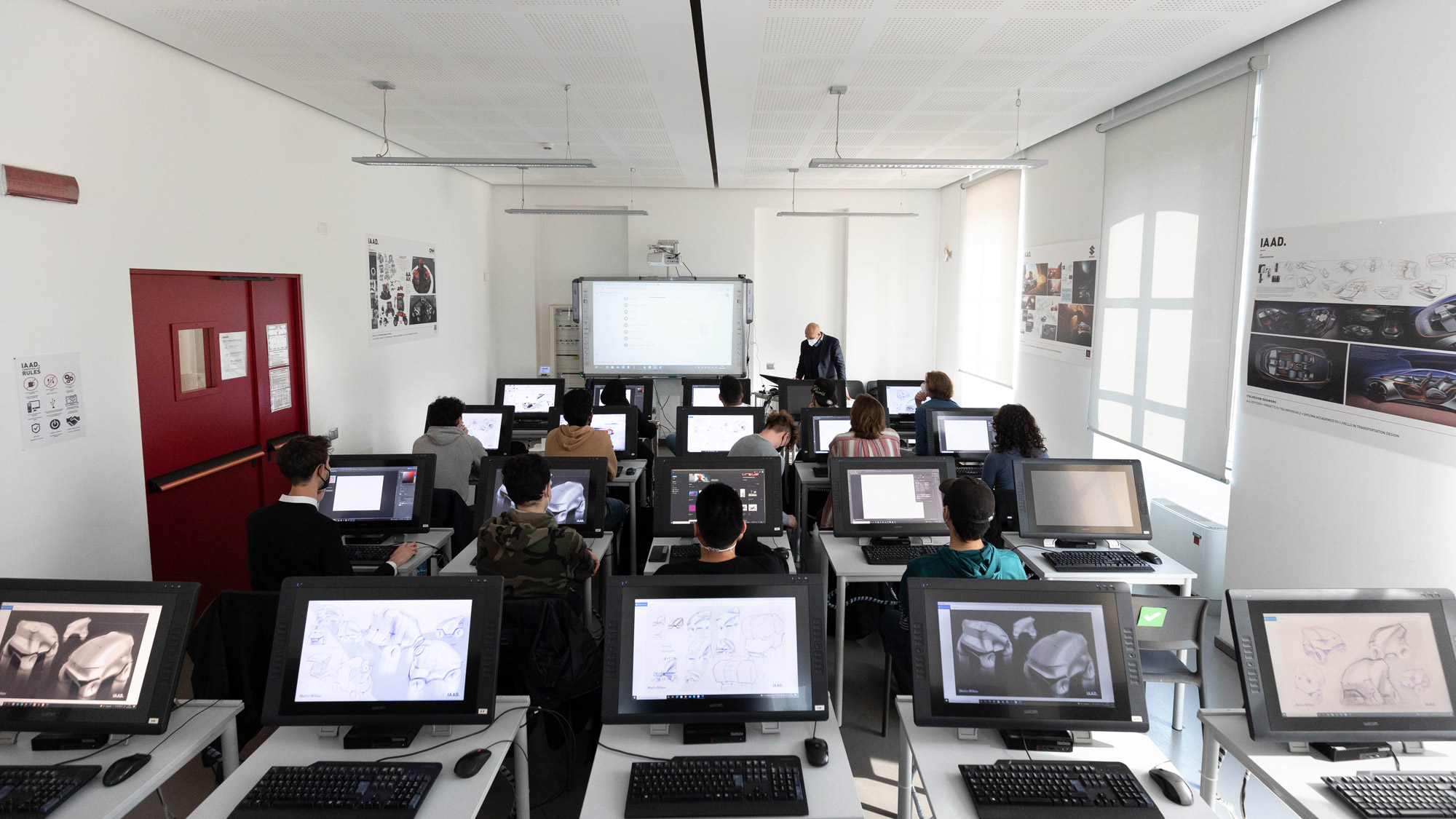
For over forty years, IAAD. has trained designers who bring innovation, beauty and style to the automotive, motorbike and yacht industries.
In addition to building technical skills, this course develops a critical spirit and the ability to imagine new transportation solutions that meet the challenges of sustainability and digitization.
For over forty years, IAAD. has trained designers who bring innovation, beauty and style to the automotive, motorbike and yacht industries.
In addition to building technical skills, this course develops a critical spirit and the ability to imagine new transportation solutions that meet the challenges of sustainability and digitization.
Start date: October 2025
Duration: 3 years
Language: Italian and English (first year only)
Campus: Turin
Strategic Director: Luca Borgogno
Coordinator: Dario Olivero
Educational Objectives
The shift to autonomous systems, renewable energy, the circular economy, demographic changes and the interaction between man and machine are some of the phenomena that are transforming the automotive industry and at the same time offer great opportunities for future transportation designers.
The aim of this course is to train a generation of new designers who can seize the opportunities offered by this rapidly changing environment – passionate problem solvers focused on the future and on the development of creative solutions.
A Car Designer who possesses stylistic and design skills along with a knowledge of ergonomics, material technology and marketing and communication is able to develop multidisciplinary projects that involve sustainable mobility, personal transport and advanced design, to meet the mobility needs of the future.
The curriculum emphasizes the importance of artistic foundations: manual and digital drawing and sketching, graphics and 3D modeling. From this starting point, artistic and technical skills are expanded upon and refined in a way that develops the student’s personal creativity and independent thinking.
Students acquire both the skills and the mentality to operate as strategic figures in an increasingly diversified field where employment opportunities are no longer limited to car manufacturing but include startups, delivery companies, and public transportation companies that operate on a global scale.
IAAD.’s roots in cities such as Turin and Bologna, the two main centers of the Italian automotive and motorcycle industries, offer students the opportunity to make contact with the real international community of transportation design.
This first introduction to the working world is supported by the professors, who are well-established professionals in their fields, and by numerous collaborations with leading companies that IAAD. has developed over the years.
First Level Academic Diploma recognized by the MUR (Ministry of Education, Universities and Research) equivalent to a Bachelor’s Degree in Design (DIPL02) – Transportation Design
This program prepares students to work in positions of responsibility in the automotive industry and in style and R&D centers to develop product design and advanced design projects. In addition to automotive design, graduates also work successfully in many other fields of vehicle design, such as public transportation, railways, motorcycles, boats, yachts and personal transportation.
Other Undergraduate Courses
Campus:
Start date:
Duration:
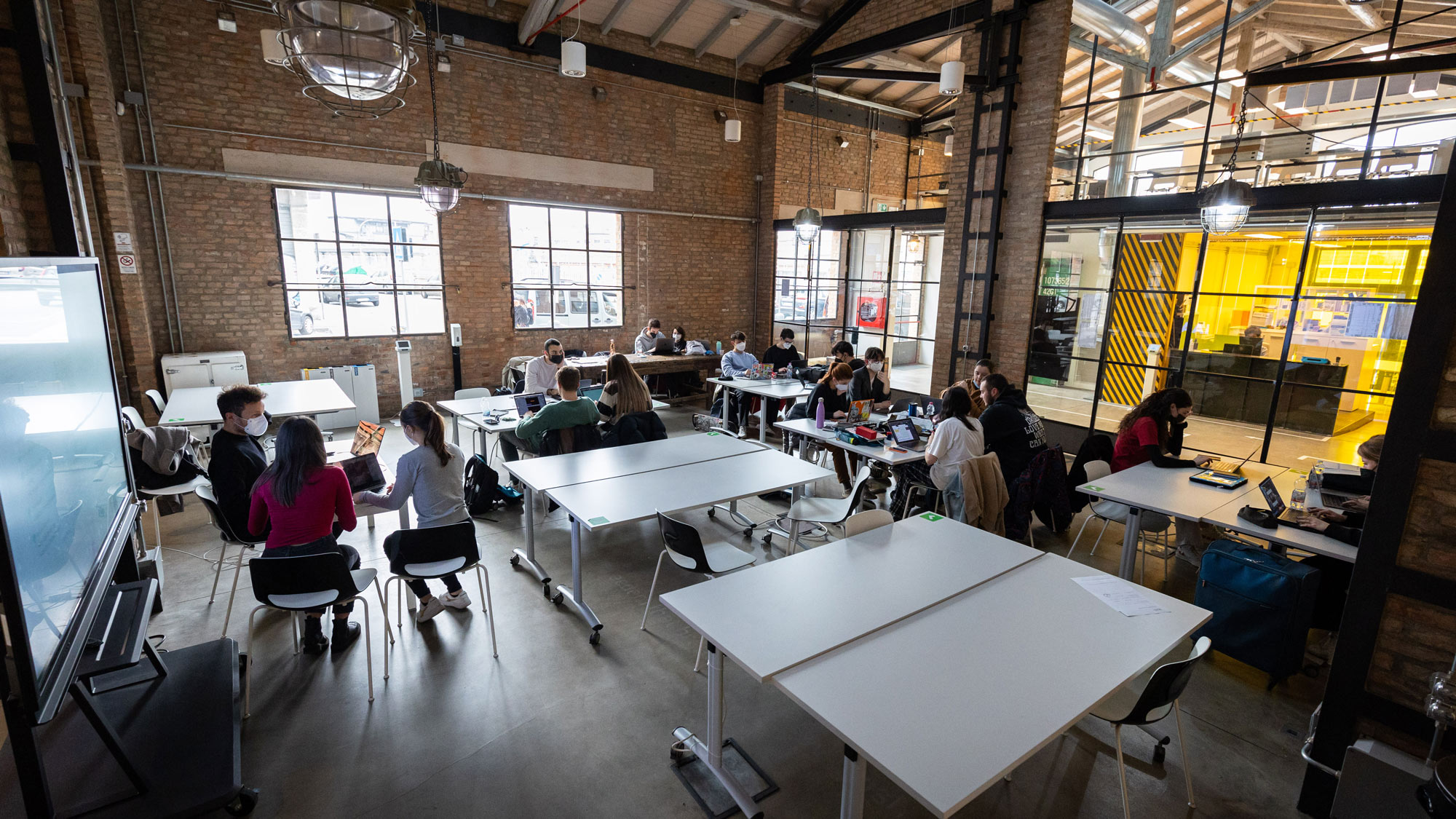
The three-year bachelor’s program in Interior Design at IAAD. focuses on the design process that leads to the creation of living spaces of value. Study and research activities center specifically on interior architecture.
The three-year bachelor’s program in Interior Design at IAAD. focuses on the design process that leads to the creation of living spaces of value. Study and research activities center specifically on interior architecture.
Start Date: October 2025
Duration: 3 years
Language: Italian
Campus: Turin
Strategic Director: Marco Rainò
Coordinator: Walter Nicolino
Overview
The interior designer’s scope of work is broad and can include residential living spaces, commercial spaces, such as shops and hospitals, and temporary spaces such as fairs, events, exhibitions and installations
Educational Objectives
Developing a high level of critical thinking is one of the program’s main goals.
In addition to the development of excellent creative skills, priority is given to an understanding of the processes that lead to the formulation of projects that meet the highest standards of contemporary living while aligning with the growing needs of sustainability, inclusivity and interactivity.
The study plan begins with humanistic subjects such as art history, the history of architecture and of design, sociology and the semiotics of design. More specific subjects are then explored, such as the design of rooms and furnishings, home design, exhibit design, the design of sustainable processes, ergonomics and the science and technology of materials. These subjects are supported by modelling laboratories and digital representation techniques, strengthening skills in technical design, parametric modeling, rendering and video-making.
Throughout the course, students have the opportunity to interact with the most important national and international businesses and organizations operating in the design fields, thanks to the partner network that IAAD. has developed over the years.
A stimulating learning environment is cultivated by the teachers who are established professionals working in design fields. The course features presentations, company visits, workshops, seminars, internships and special projects, some of which are connected to educationally valuable important international events, such as those connected to the annual Milan Furniture Fair and Design Week.
First Level Academic Diploma recognized by the MUR (Ministry of Education, Universities and Research) equivalent to a Bachelor’s Degree in Design (DIPL02) – Interior Design
This course prepares students for numerous careers, including: Interior Designer (professional/partner in a design studio/consultant), Visual Interior Designer (expert in digital representation), Exhibit Interior Designer (interior designer for cultural spaces), Display Interior Designer (interior designer for retail spaces), Interior Stylist (expert in display design), Social Interior Designer (interior designer for social spaces) Furniture Interior Designer (furniture designer); Maker Interior Designer (expert in creating digital products).
Other Undergraduate Courses
Campus:
Start Date:
Duration:
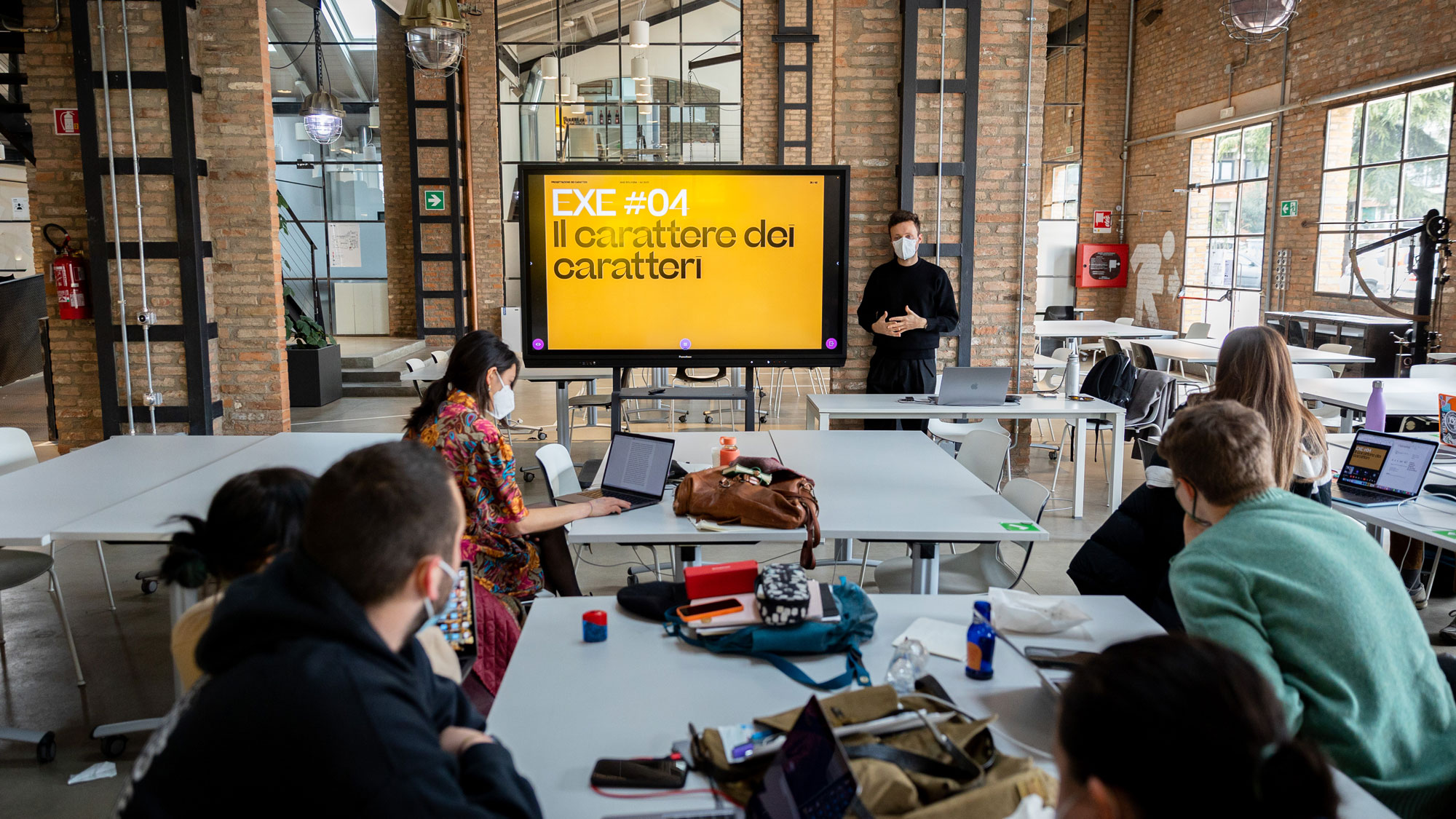
Affirming that the craft of communicating is constantly evolving is not a cliché. As an example, if the structure of an advertising agency of a few years ago could be compared with a current one, as well as the professional figures and the type of work produced, the difference would be striking. Evolution is not only continuous, but so rapid that it is sometimes confusing.
Affirming that the craft of communicating is constantly evolving is not a cliché. As an example, if the structure of an advertising agency of a few years ago could be compared with a current one, as well as the professional figures and the type of work produced, the difference would be striking. Evolution is not only continuous, but so rapid that it is sometimes confusing.
Start date: Coming soon
Duration: 2 years
Language: Italian
Campus: Turin and Bologna
Educational Objectives
The proliferation of touchpoints and channels with which the public can be reached today is exponential. It is a context that offers countless opportunities to those who have the tools to face it. But at the same time, the skills for those who want to deal with communication multiply and tend to escape traditional classifications. Precisely for these reasons, if updating is necessary in this professional path, so is in-depth analysis. The IAAD. project of the 2° Level Academic diploma course in Communication Design has exactly this double goal: on the one hand, to strengthen the technical knowledge relating to the most current expressive methods, especially in the digital field; while on the other hand, further develop the themes that make up the set of fundamental principles.
To ensure the achievement of these objectives and the maximum effectiveness of the program, also in terms of professional opportunities, IAAD. has chosen to give a precise orientation to its two-year post-graduate program, placing the theme of brand management and communication at the center. The relationship between brand, users, society, and communication channels is a complex and multifaceted territory that requires a variety of approaches. Communicating and managing the image of a brand today is an activity that goes far beyond the narrow commercial logic, although the latter cannot be excluded. Brands in the current context can no longer limit themselves to the simple role of “communicators of themselves”, subject and at the same time object of their messages, both commercial and institutional.
Today, brands are at the center of an equal relationship with their reference world, a two-way communication much closer to the interpersonal one than to the obsolete one that used to go from the company to the public. And as happens in relationships between people, the effectiveness of the information exchange requires listening skills, sensitivity, correct choice of expressive methods, as well as awareness of the cultural and social background of those who are dealing with the brand. It is a communication that has the obligation to take into account the deep connections, including emotional ones, that bind people to brands, considered as an integral part of our daily life and with which, whether we like it or not, we are establishing relationships that are often beyond the relationship between product and user, to cross over instead into the field of affectivity.
This type of communication, increasingly used by brands, requires the ability to manage multiple and often multidisciplinary languages. For instance, the creation of the event is combined with video production, the competition with the social media publishing plan, the charity initiative with publishing activity. According to IAAD., it is a field that deserves and needs specific training, a subject that includes all the modalities and at the same time clarifies its boundaries

Other Postgraduate Courses

Campus:
Start date:
Duration:
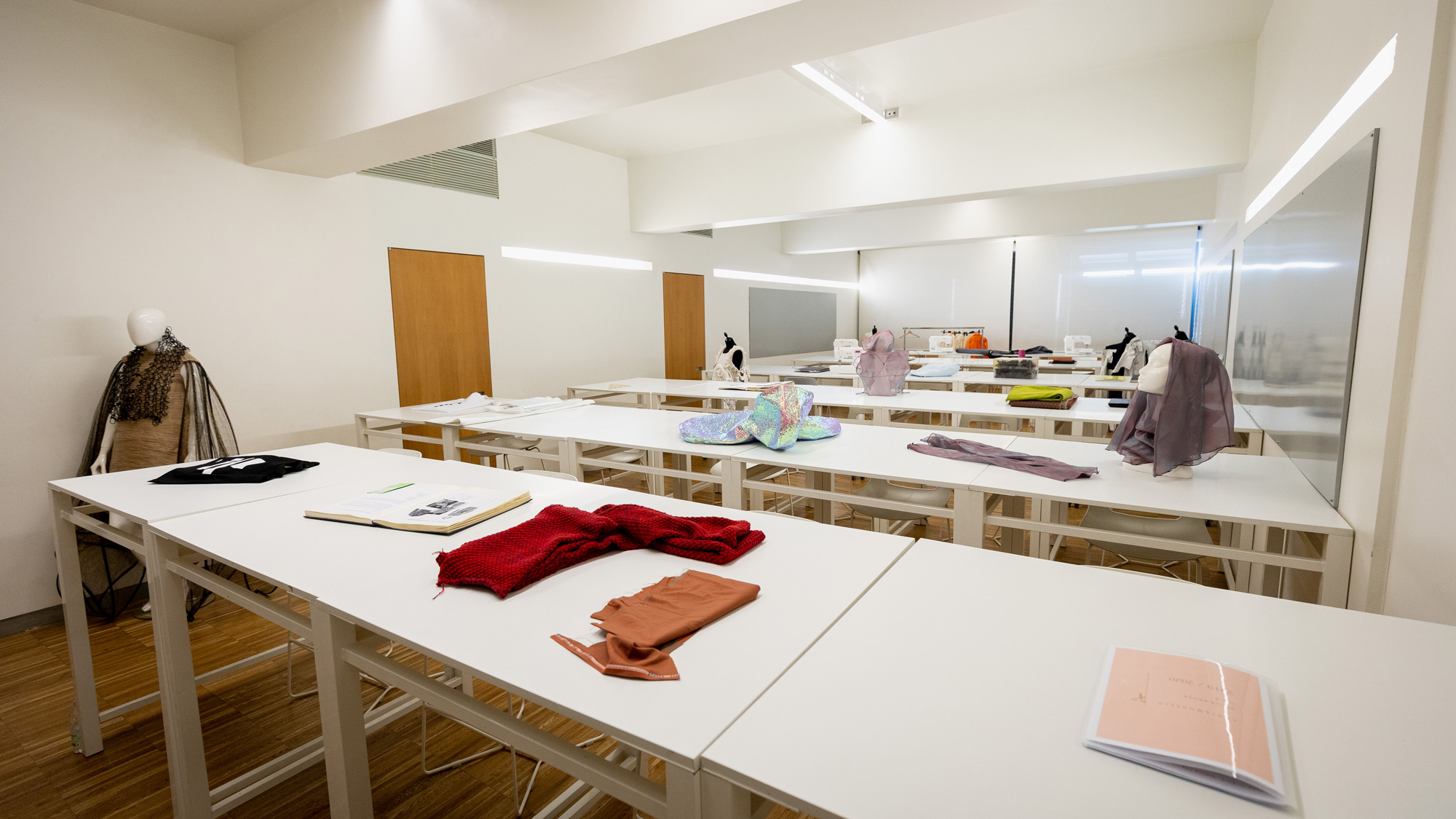
To create functional and innovative clothing. To identify trends and cultural and social changes.
These are the great challenged faced by the fashion industry, a fascinating field full of opportunity that integrates art and technique, creativity and specialization.
To create functional and innovative clothing. To identify trends and cultural and social changes.
These are the great challenged faced by the fashion industry, a fascinating field full of opportunity that integrates art and technique, creativity and specialization.
Start Date: October 2025
Duration: 3 years
Language: Italian
Campus: Turin
Strategic Director: Marina Spadafora
Coordinators: Giuseppina di Paola (IAAD. Turin)
Educational Objectives
The Textile & Fashion Design course aims to train a new generation of professionals who care about sustainability, inclusion and ethics, themes that IAAD. considers a priority in their courses.
The program develops the design dimension, a multidisciplinary approach to creating an integrated project that starts with a concept and finishes with the communication of the product.
Creativity is of the upmost importance; the instructors dedicate their time and effort to developing students’ individual expression so that their unique characteristics emerge as they develop their talents.
Understanding how trends are formed and what factors influence the evolution of taste, interpreting the signs and languages of fashion and design, interacting with creative designers and communication and style directors – these are among the main skills that a professional in this field requires.
In addition to these compentencies, students are taught specific techniques of drawing and representation (both traditional and using new technologies), to contribute to their understanding of the relationship between images and graphic representation and how they are used to communicate ideas.
During the three-year period, company visits, workshops, seminars, internships and special projects are organized to establish a network of relationships within the world of fashion design. Students have the possibility to fully participate in national and international events. They are able to gain first-hand knowledge of the fashion industry while exploring which career paths are most in line with their talents and aspirations.
First Level Academic Diploma recognized by the MUR (Ministry of Education, Universities and Research) equivalent to a Bachelor’s Degree in Design (DIPL02) – Textile and Fashion Design
This course prepares students to become dynamic professionals who are able to adapt well to the changing and diverse needs of the market, creative young people who enter the working world as fashion designers, product managers, collection merchandisers, product developers, fabric and prints managers, merchandisers and buyers, accessories managers, trend analysts, fashion editors, digital marketing and e-commerce specialists, retail managers, store and showroom managers, licensing managers and digital fashion designers.
IAAD. also guides students who want to develop and transform a project idea into a start-up, giving shape to what they have learned during the three-year course.
Other Undergraduate Courses

Campus:
Start date:
Duration:

What products and services will we need in the future? How does design address the challenges of sustainability and the circular economy?
These questions are answered in the work of a product designer, a highly creative professional operating in a continuously evolving market.
What products and services will we need in the future? How does design address the challenges of sustainability and the circular economy?
These questions are answered in the work of a product designer, a highly creative professional operating in a continuously evolving market.
Start Date: October 2025
Duration: 3 years
Language: Italian
Campus: Turin
Strategic Director: Marco Maria Pedrazzo
Coordinator: Davide Negri
Educational Objectives
IAAD.’s Product Design course aims to train a new generation of designers who are able to anticipate the needs of the consumer, creating and disseminating new products and services for future use.
The product designer is challenged to find new solutions that respect the environment, work ethic and process optimization while working within the limits set by the market and systems of production.
Taking this into account, designers must be able to work on multi-disciplinary teams and develop overall design visions.
At the same time, they should present and communicate their own ideas in the best way possible, an increasingly important skill for product designers.
During the three-year program, maximum attention is given to mastering diverse means of communication, from basic skills such as sketching as an instrument to transmit ideas to the use of software such as Rhinoceros and Keyshot for modeling and photorealistic rendering of projects. Graphics software is also used to define the visual container for presenting projects.
The last year of the program features close collaboration with companies that perform the dual role of client and tutor. This first encounter with the professional world and the needs of the market provides real work experience that faithfully simulates the dynamics of real projects.
In this phase the instructors, who are highly qualified professionals in the field of design, create opportunities for students to try their hand alongside important designers from national and international companies, in special lessons, workplace visits, workshops, seminars, internships, projects and master classes. Students actively participate in projects connected to international events such as the Milan Furniture Fair.
First Level Academic Diploma recognized by the MUR (Ministry of Education, Universities and Research) equivalent to a Bachelor’s Degree in Design (DIPL02) – Product Design
This three-year course offers the opportunity to learn about and experience many aspects of the profession, with a 360-degree view of the vast and diverse world of Design. It guides students to develop their own design identities and to best express their talent, whether as freelance professionals or in a corporate environment as designers in a technical office, in artistic direction, as marketers, concept designers, product engineers or 3D modelers.
Other Undergraduate Courses
Campus:
Start date:
Duration:
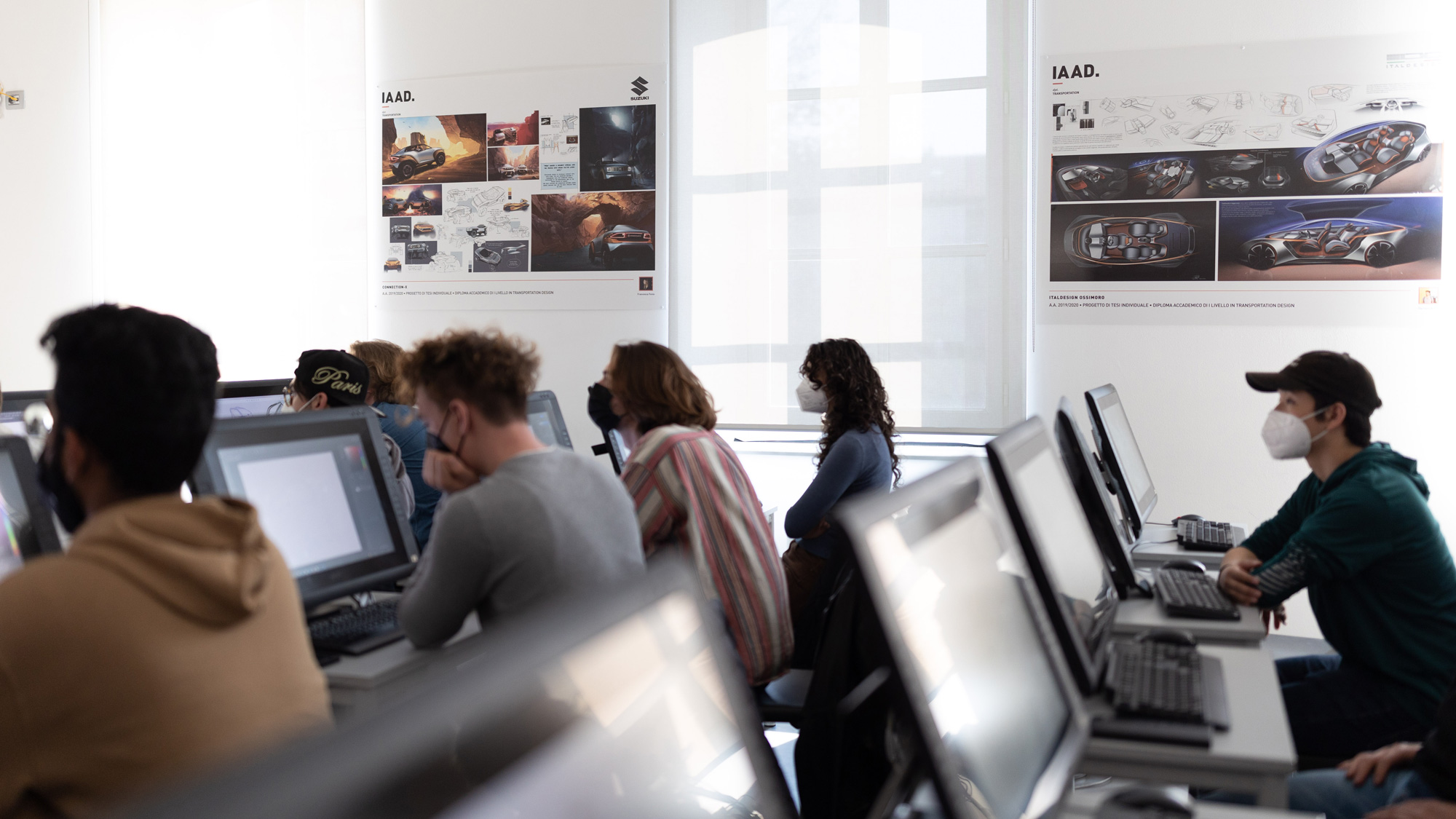
Traditional visions of design must be revised to integrate new social trends and technical approaches such as sustainability, car sharing, alternative propulsion systems, and autonomous driving. The Master in Transportation Design – Automotive & Interaction Design will offer a broad overview of the latest technical achievements, design trends and environmental concerns so that students can fully understand and apply this knowledge in their professional approach.
Traditional visions of design must be revised to integrate new social trends and technical approaches such as sustainability, car sharing, alternative propulsion systems, and autonomous driving. The Master in Transportation Design – Automotive & Interaction Design will offer a broad overview of the latest technical achievements, design trends and environmental concerns so that students can fully understand and apply this knowledge in their professional approach.
PRELIMINARY MODULE
Start date: November
Duration: 6 months
Language: English
Format: full time in person or remotely at IAAD. Torino
Campus: Turin
MASTER MODULE
Start date: May
Duration: 10 months
Language: English
Format: full time in person at IAAD. Turin
Campus: Turin
FACULTY
Strategic Director: Luca Borgogno
Coordinator: Dario Olivero
Course Overview
IAAD.’s objective has always been to provide an innovative approach to education. The best path to becoming a Transportation Design professional is to learn from experts in the field. This insight has led IAAD. to become the first Italian university specializing in transportation design.
The design projects done in collaboration between IAAD. and partner companies allows students to put into practice what they study in an environment very similar to what they will encounter in their professional field.
The Master programme’s goal is to provide students with not only comprehensive preparation, but also the ability to develop a vision of the automotive industry’s future.
Students will refine and perfect their modeling and representation techniques in applying them to different areas of design.
They will be challenged to develop their sensitivity to the language of forms, analyze past and contemporary design trends, and research innovative materials and production processes to develop their own design thinking.
There will be particular attention given to interaction design, preparing students to fully understand and use the latest available technology to create and design a logical and effective interaction between the user and the product, to achieve efficient communication. They will research innovative materials and manufacturing processes to develop their design thinking.
Graduates of the Master’s in Transportation Design will be able to contribute creatively to the design society, find solutions to transportation and mobility challenges, and experiment with multiple approaches and techniques to achieve optimal solutions.
Studying with professional designers and participating in projects with partner companies will stimulate students’ creativity and give them insight into the professional environment and experience of the design process.
Why study Transportation Design – Automotive & Interaction Design at IAAD. Turin?
Turin is the undisputed world capital of automotive design and a center of excellence in the international automotive industry. It encompasses the production of the great Italian brands Fiat, Lancia, Alfa Romeo and Ferrari, the design of Giugiaro, Pininfarina, Bertone, the automotive innovation of the Fiat Research Center, the robotic technologies of DEA, Comau and Rambaudi and the innovation of Oxygen (alternative electric mobility), not to mention a huge satellite business that serves not only Fiat, but almost all the major automotive manufacturers in Europe and the world.
The fact that international design companies choose Turin for their European headquarters demonstrates its importance as a center of design.
Because of this, the IAAD. Department of Transportation Design has access to a wealth of important partner companies, both public and private, that contribute in the launching of research projects, special lectures, workshops and seminars, company visits, teaching activities and internships.
The IAAD. Department of “Bodywork Architecture” was the first of its kind in Italy when it opened in Turin in 1978. In 2008 it was named in memory of Andrea Pininfarina.
Preliminary Course in Transportation Design
The Preliminary Course will offer instruction in the fundamentals of Transportation Design in terms of historical culture, representational techniques (Design sketching, illustration, digital sketching), 3D modeling and design methodology, as well as specific courses in interior design, exterior design, and motorcycle design. It is intended for students who have previously taken design courses not specific to automotive design.
Each discipline includes an end-of-course exam. The Preliminary concludes with the presentation of a final exterior/interior project.
Master in Transportation Design – Automotive & Interaction Design
The educational content of the Master’s programme includes three macro-areas:
Vehicle Design – Exterior Design: the focus of this area is the study of the style, volume and proportions of the exterior of a motor vehicle. Students will be involved in the different stages of design concept of the product’s exterior features: brainstorming, identification and development of concepts through sketches and renderings, up to the final presentation of the project.
Vehicle Design – Interior Design: students will learn the skills neeeded to design multiple types of interiors of a motor vehicle starting from a brief and respecting the stylistic constraints of the chosen brand. Particular attention will be given to the choice of materials.
Product Interaction Design or Interaction Design:
In this area of study, students will develop design skills through in-depth study of evolving social, technological and communication trends, considering as a necessary premise that of integrating the latest available technology for the purpose of interacting with our environment. To achieve faster and more effective communication between users and products, users must create a dialogue between themselves and the product, system or service itself. This dialogue is both physical and emotional in nature and manifests itself in the interaction between form, function and technology. Therefore, it is necessary to prepare students to fully understand and use the latest available technology to create and design a logical and effective interaction between the user and the product to achieve efficient communication. By learning how to manage and design these platforms, students will be prepared to apply these methods in the world of professional design.
The Master’s programme will provide a comprehensive and broad overview, tracing the technological evolution of the car design industry, contemporary mobility trends and their impact in terms of sustainability, to help students fully understand and apply this knowledge in their professional approach. Studying with professional designers and participating in projects with partner companies will stimulate students’ creativity and give them real-life experience and knowledge of the design process, a useful foundation to prepare them for their professional careers.
Graduates of the Master’s in Transportation Design will be able to contribute creatively to the car design industry, find solutions to transportation and mobility challenges, and experiment with multiple approaches and techniques to achieve optimal solutions.
| PRELIMINARY MODULE | MASTER MODULE |
|---|---|
| History of vehicle design | Marketing |
| Design Sketching – Digital Sketching | Exterior Design |
| Illustration | Interior Design |
| Car architecture and aerodynamics | 3D Digital Modeling |
| 3D Modeling | Presentation techniques |
| Transportation Design – Car Interiors & Exteriors | Portfolio |
| CMF (Color, Materials, Finish) | UX/UI Design for Transportation & Mobility – UXTRD |
| PRELIMINARY MODULE |
|---|
| History of vehicle design |
| Design Sketching – Digital Sketching |
| Illustration |
| Car architecture and aerodynamics |
| 3D Modeling |
| Transportation Design – Car Interiors & Exteriors |
| CMF (Color, Materials, Finish) |
| MASTER MODULE |
|---|
| Marketing |
| Exterior Design |
| Interior Design |
| 3D Digital Modeling |
| Presentation techniques |
| Portfolio |
| UX/UI Design for Transportation & Mobility – UXTRD |
ADMISSION REQUIREMENTS AND PROCEDURES
Preliminary Module
The Preliminary Course in Transportation Design is open to students who have completed bachelor’s degree programmes in Industrial Design, Automotive Engineering and related subjects; to those who have a post-graduate degree in Industrial and/or Automotive Design, and to candidates who have significant professional experience in the transportation sector.
Admission is subject to evaluation of the application, which must include a cover letter, curriculum vitae and portfolio. IAAD. reserves the right to request that applicants be interviewed in person or remotely, if necessary.
Master Module
Admission to the Master in Transportation Design – Automotive & Interacion Design is subject to passing the Preliminary Course in Transportation Design and possessing English language certification at the B2 level or higher.
Students may customize their curricula through participation in competitions, seminars or workshops in order to collect additional credits required for passing the Preliminary Course.
Students with an undergraduate degree in Transportation Design or those with significant experience in transportation or modeling may apply for direct admission to the Master’s in in Automotive & Interaction Design.
In all cases, admission to the course is subject to approval by the Course Coordinator, based on the evaluation of academic qualifications, professional experience and the portfolio.
APPLICATIONS
Applications for the Master’s programme must include the following documents:
The Master’s Coordinator will evaluate the received applications.
IAAD. reserves the right to ask the applicant for an additional interview at IAAD.’s offices or remotely, if deemed necessary. The results of the applicant’s request for admission will be communicated by the office of Orientation.
COURSE DELIVERY, ATTENDANCE AND PARTICIPATION
Classes are held Monday through Friday (extra classes may occasionally be scheduled on Saturdays as well), full-time (including lectures, labs, and individual study), with mandatory attendance.
The Master’s in Automotive & Interaction Design is held in person at IAAD. Turin. Individual courses or activities in remote mode may be scheduled.
The course requires the development of a thesis project in collaboration with a partner company. The design phase kicks off with an initial briefing with the company, followed by an intermediate presentation and review meetings with the partner company’s designated designer(s), who are involved until the final thesis discussion. Previous thesis projects of the Master’s programme were developed in collaboration with the Fiat Research Center, Lancia Style Center, Italdesign Giugiaro – Volkswagen Group, Porsche, Pininfarina, Changan, MG, Peugeout, Hitachi Rail and Suzuki.
In order to offer its students the best opportunities on the market for creative professionals, IAAD. manages contacts between its students and the professional world, introducing its graduates to the top businesses in their fields. IAAD. has fostered relationships with companies that has resulted in a regularly updated database of businesses that continuously contact the Institute to find young, talented professionals to fill open positions.
Car Designer
This professional oversees the design of the exterior or interior of a car or other type of vehicle, in line with the latest visual trends and technological developments. The car designer has the skills to communicate ideas through sketches and renderings to support proposed concepts, working as part of a team at a company’s style center or as a freelance designer.
Interaction Designer
An interaction designer creates the process and methods of user-product interaction in order to enable the user to achieve his or her goals in the best possible way. This professional uses the latest technological developments available to create seamless communication between the user and the product, usually working together with a company’s interior design department or as an independent freelance designer.
3D Modeller and Visual Designer
This professional works in parallel with the exterior/interior designer to create and refine their 2D ideas into 3D models. He or she is responsible for 3D development, using specialized software to optimize and visualize the vehicle in VR and AR and prepare it for production.
Color & Trim Designer
This designer is an expert in creating the desired atmosphere inside the car according to the latest visual trends, utilizing an extensive knowledge of colors, textures and applicable materials to create a sustainable, safe, visually and ergonomically optimized interior environment for the vehicle.
IAAD. offers financial support to students with scholarships to partially cover the cost of attending the Preliminary and Master’s programmes.
nb: The number of scholarships available is always fewer than the application. It is important to keep in mind that most scholarships are awarded based on the committee’s evaluation of a number of principal requirements, including:
The Evaluating Committee will award, at its sole discretion, the available scholarships to the Preliminary Course candidates deemed most deserving. Recipients will receive official notification about the awarding of scholarships before the start of the course.
For the scholarship to be maintained for the Master’s degree, recipients must have passed the Preliminary Course with a grade point average of 27/30 or higher.
Additional scholarships may be awarded to candidates who directly enroll in the Master’s programme.
Other Master’s Courses
Book a meeting
Check out our calendar of upcoming Orientation events