

Evento/Masterclass, Masterclass: Turin
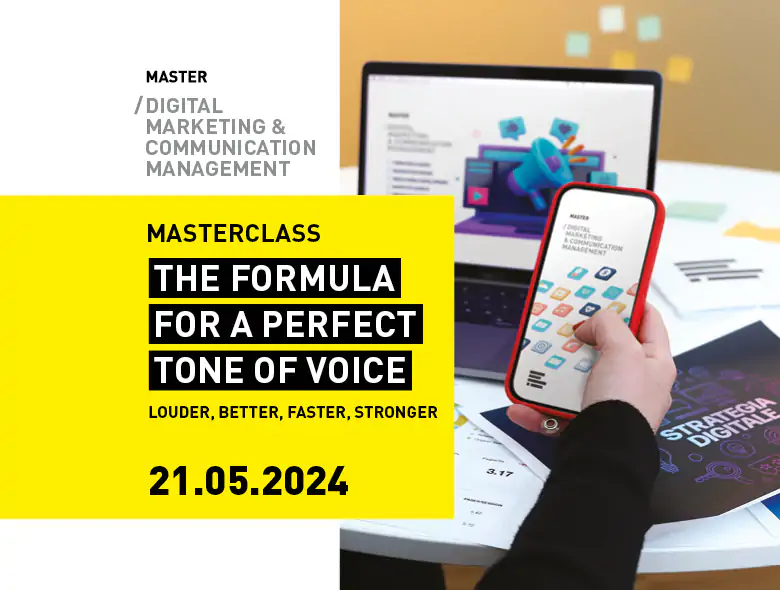
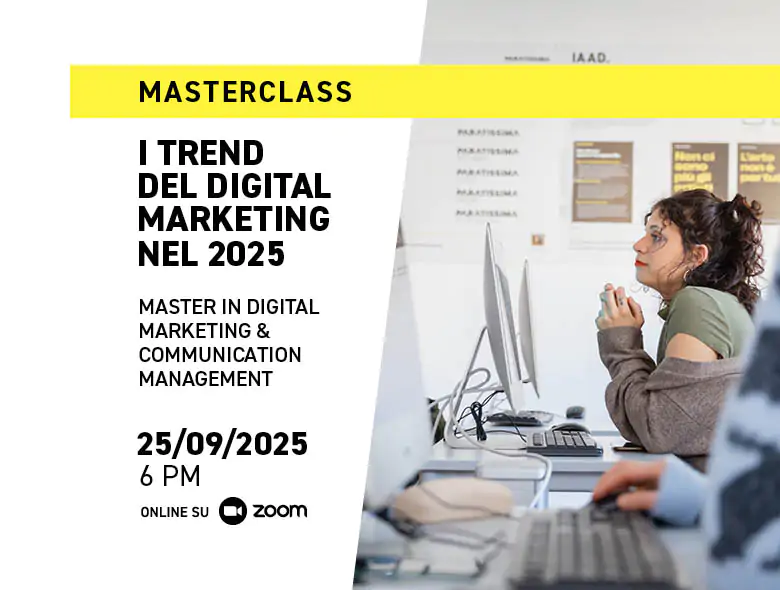
Masterclass: Digital Marketing Trends in 2025

Campus:
Start date:
Duration:
Digital communication comprises all aspects of communication, advertising, and marketing that are conveyed electronically.
It is an area that is growing and increasing relevant and that expands its bounds both technologically but also as a means of communication, commerce, and entertainment.
It is characterized by specific and diversified skills including; marketing to content management, programming sites and mobile apps to UX/UI design, social media management to semantic web, video making to search engine optimization (SEO), digital PR as well as e-commerce platform management and much more.
Digital communication comprises all aspects of communication, advertising, and marketing that are conveyed electronically.
It is an area that is growing and increasing relevant and that expands its bounds both technologically but also as a means of communication, commerce, and entertainment.
It is characterized by specific and diversified skills including; marketing to content management, programming sites and mobile apps to UX/UI design, social media management to semantic web, video making to search engine optimization (SEO), digital PR as well as e-commerce platform management and much more.
Start date: March 2026
Duration: 10 months
Language: English
Campus: Turin
Strategic Director: Aurelio Tortelli
Coordinator: Eugenio Damasio
Course Overview
Today, successful digital marketing campaigns are the product of multiple platforms and increasingly interconnected skill sets that create demand for new professionals able to manage diverse complex projects.
Marketing and advertising agencies, corporations, and the public sector have little problem finding single-tasked professionals, however the real demand is for professionals able to execute increasingly complex projects that require utilizing multiple platforms and processes.
These are digital managers who are competent in the processes involved and are able to oversee the collective teamwork of specialized professionals.
The preparation and training of a Digital Marketing Specialist (DMS) is the focus of the Master in Digital Marketing & Communication Marketing Management.
The Master program is divided into four main areas of competency:
The main objective is to provide participants with the necessary skills to operate and manage projects in a conscious and efficient way in a professional environment characterized by considerable complexity, strong correlation of the components involved and a very high rate of change.
The Master focuses on the concrete practice of each individual tool or methodology in the different fields of application available: media, marketing (R&D, design, advertising), educational and entertainment.
COURSE DELIVERY, ATTENDANCE AND PARTICIPATION
The Master is delivered via lectures and workshops, with attendance is mandatory. Active participation in coursework is both expected and fundamental to successful completion of the program. All assignments and projects are to be delivered on the established due date. Completion of the Master is contingent upon the final thesis project which will be presented by the student to a commission for evaluation.
Throughout the academic year, IAAD. will organize visits to companies, exhibitions and museums, special workshops, as well as encounters with relevant professionals.
ADMISSION REQUIREMENTS AND PROCEDURES
1st and 2nd level undergraduates and professionals seeking a specialization in the field of new media may apply.
Candidates are required to have solid general knowledge and a strong interest in the fields of art history, contemporary art, cinema, psychology, sociology, literature. Furthermore, the technical knowledge of at least two Adobe Creative Cloud applications is required (Indesign, Photoshop, Illustrator, After Effect, Premiere, etc.).
Admission is subject to application evaluation. The application consists of a motivational letter, detailed curriculum vitae and portfolio. IAAD. also employs in-person or video interviews to complete the admissions process.
Entrance to the Master program is contingent on the approval of the Course Coordinator based on review of the application and possible interview.
APPLICATION
Applications have to contain these documents:
The Master Co-ordinator, assisted by an academic board will evaluate the candidacies received.
The result of the application will be communicated by the Career Guidance Office to each candidate.
THESIS
The final thesis is a real-world project developed in collaboration with an industry partner company.
The design process is executed from initial briefings to ongoing meeting and discussions and a final presentation and evaluation of the project with the partner company and academic panel.
PROJECT WORK
Students may choose between completing an individual project (project work) or a 300 hour internship / apprenticeship. The project will be developed from one of the main themes of study with an instructor/professional who will assign the brief and follow the students progress in the research and design phase as well as the final presentation.
IAAD. provides students unique access to companies and industry professionals due to the integration of industry and education as the foundation of a IAAD. Master.
The IAAD. career service is an exchange between the needs of industry partners and IAAD. graduates as the career service works to benefit both.
The Master allows you to insert new qualified resources into the world of work as digital managers within medium-large companies (marketing and communication offices) or marketing/communication/advertising agencies, in public administration or as freelancers.
Specific professional opportunities can be identified in all the figures whose specific training is in some way connected to the macro-profile of the Digital Marketing Specialist:
IAAD. supports students with scholarships to partially cover the costs of attending the Master’s course and with subsidized loans to continue their studies.
Please note that the number of available scholarships is always lower than the number of requests, so it is important to bear in mind that most scholarships are granted on the basis of the Commission’s evaluation of a series of main requirements, including:
The Evaluation Committee will award the available scholarships based on its irrevocable decision.

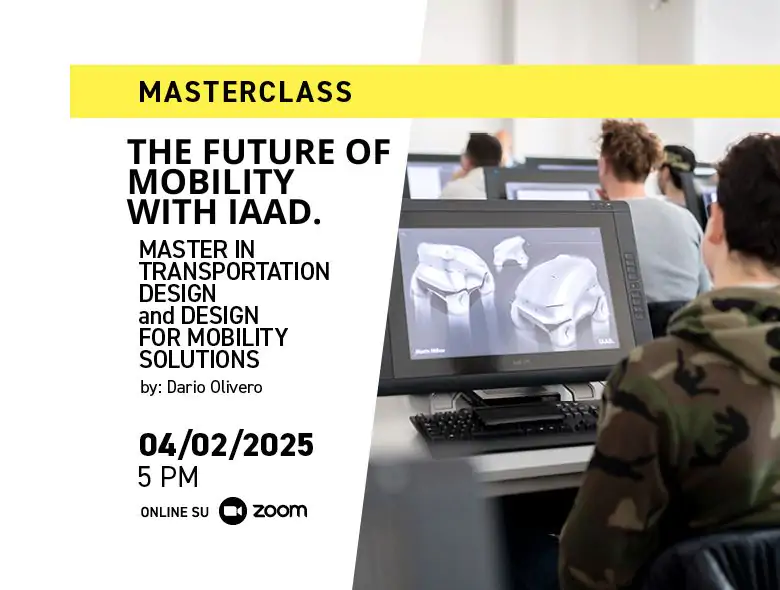
Evento/Masterclass, Masterclass: Turin
Masterclass “The Future of Mobility with IAAD.” – 04.02.2025
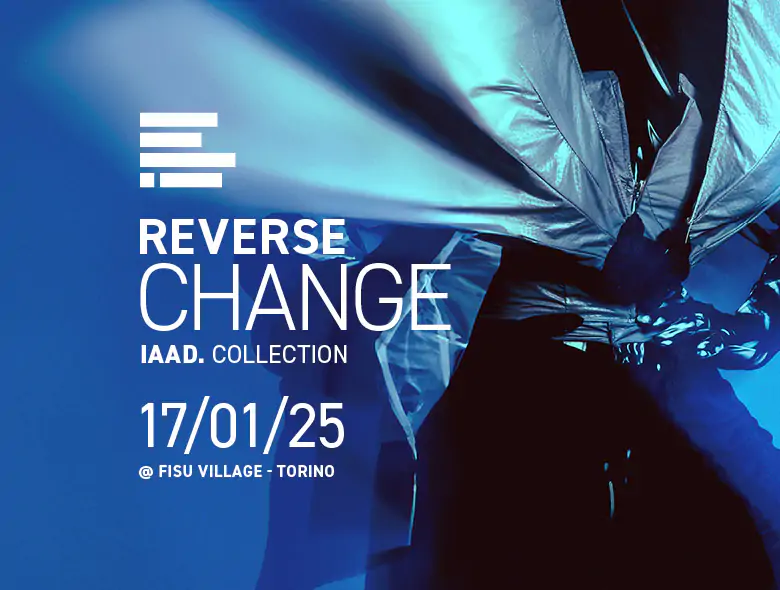
Evento/Installation: Turin
REVERSE CHANGE at FISU Village – IAAD. Collection | January 17th 2025
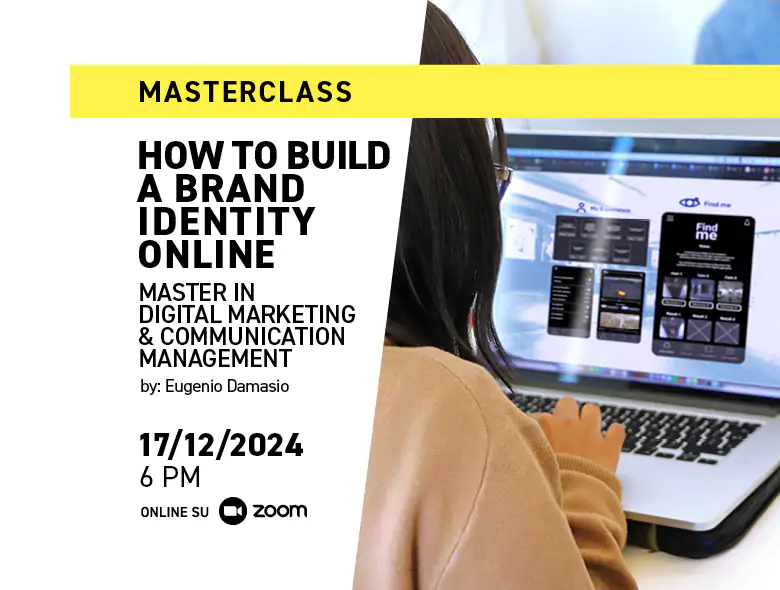
Evento/Masterclass, Masterclass: Turin
Masterclass “How to Build a Brand Identity Online” – 17.12.2024
Other Master’s Courses

Campus:
Start date:
Duration:

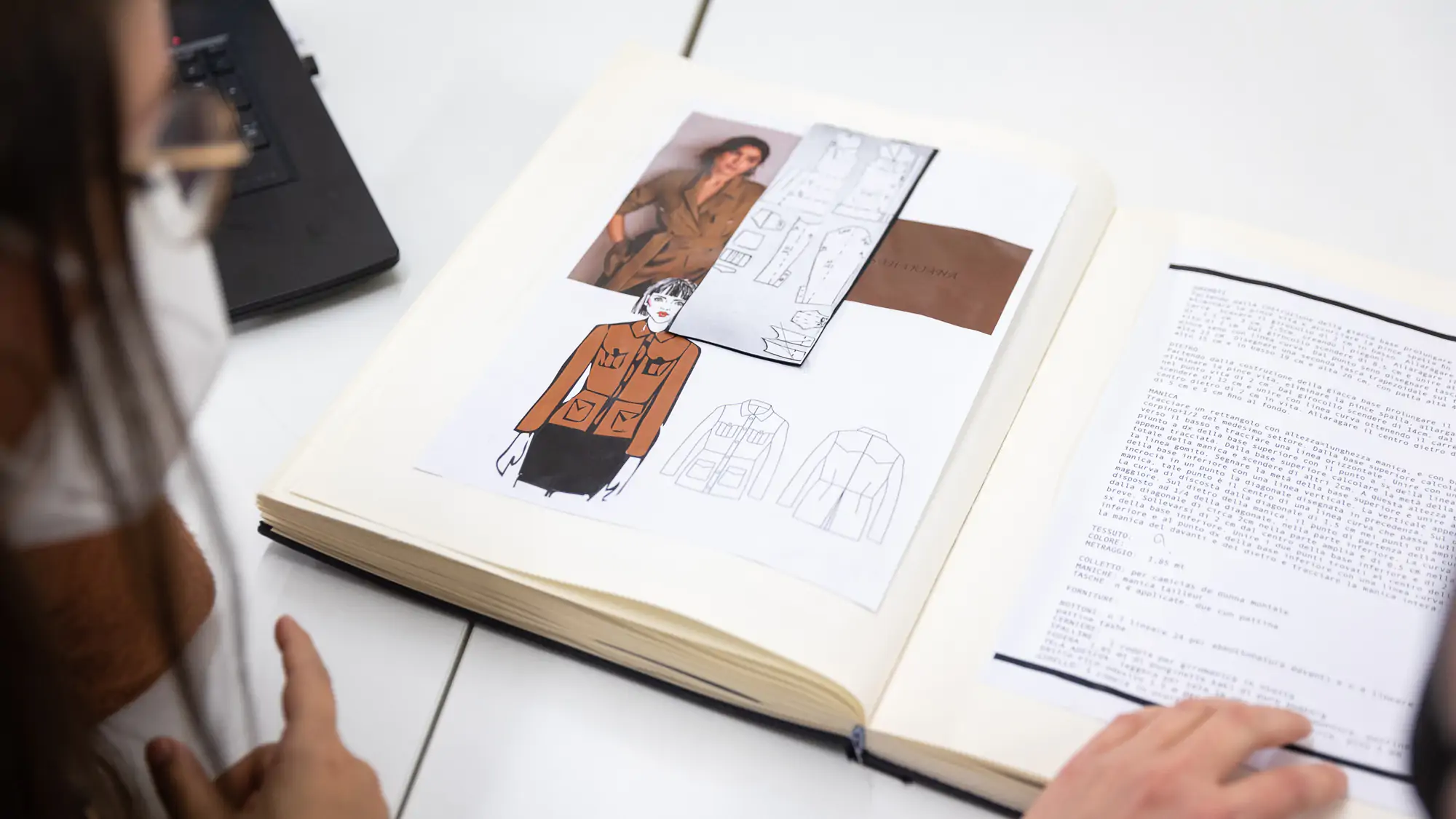
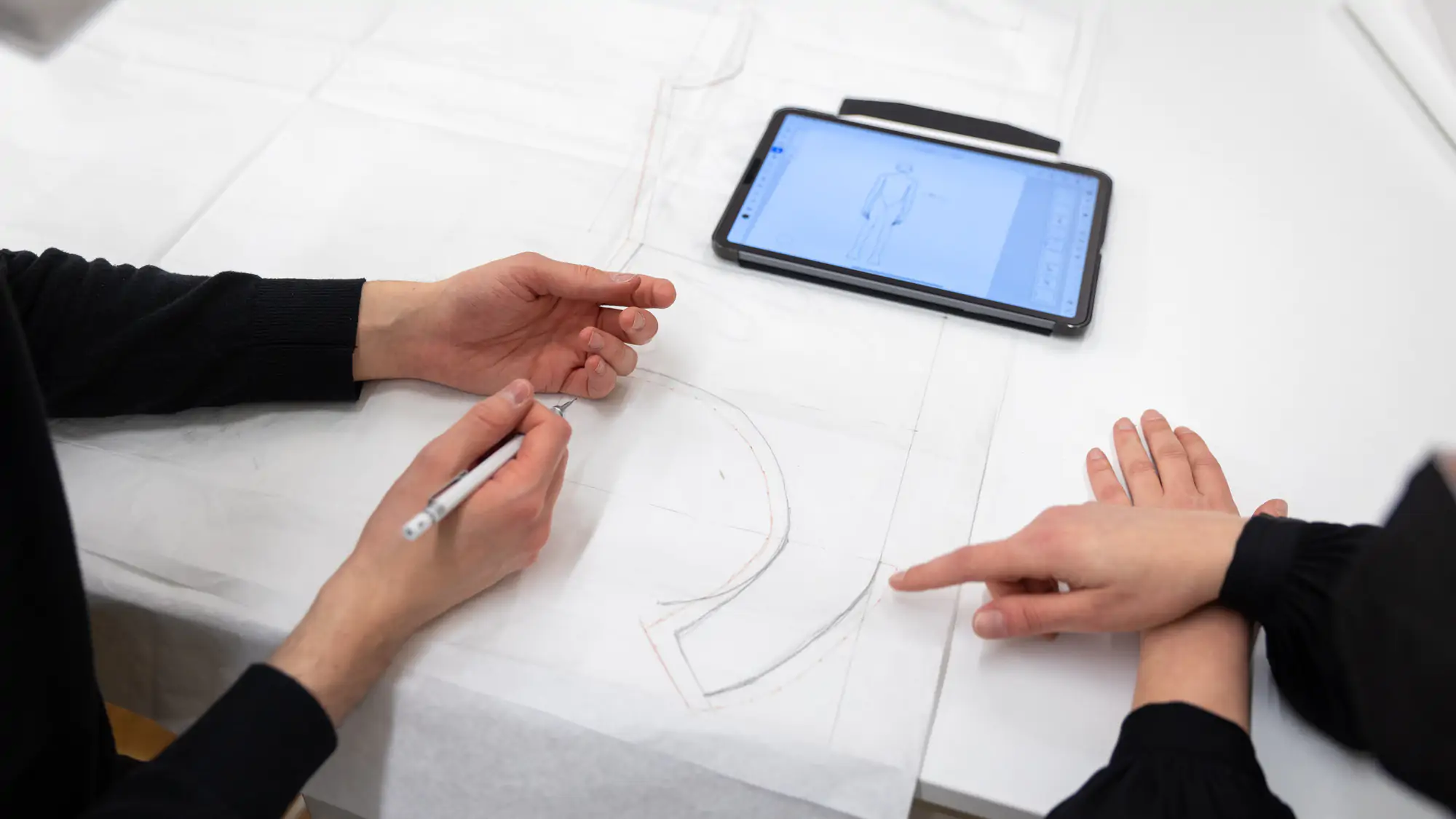
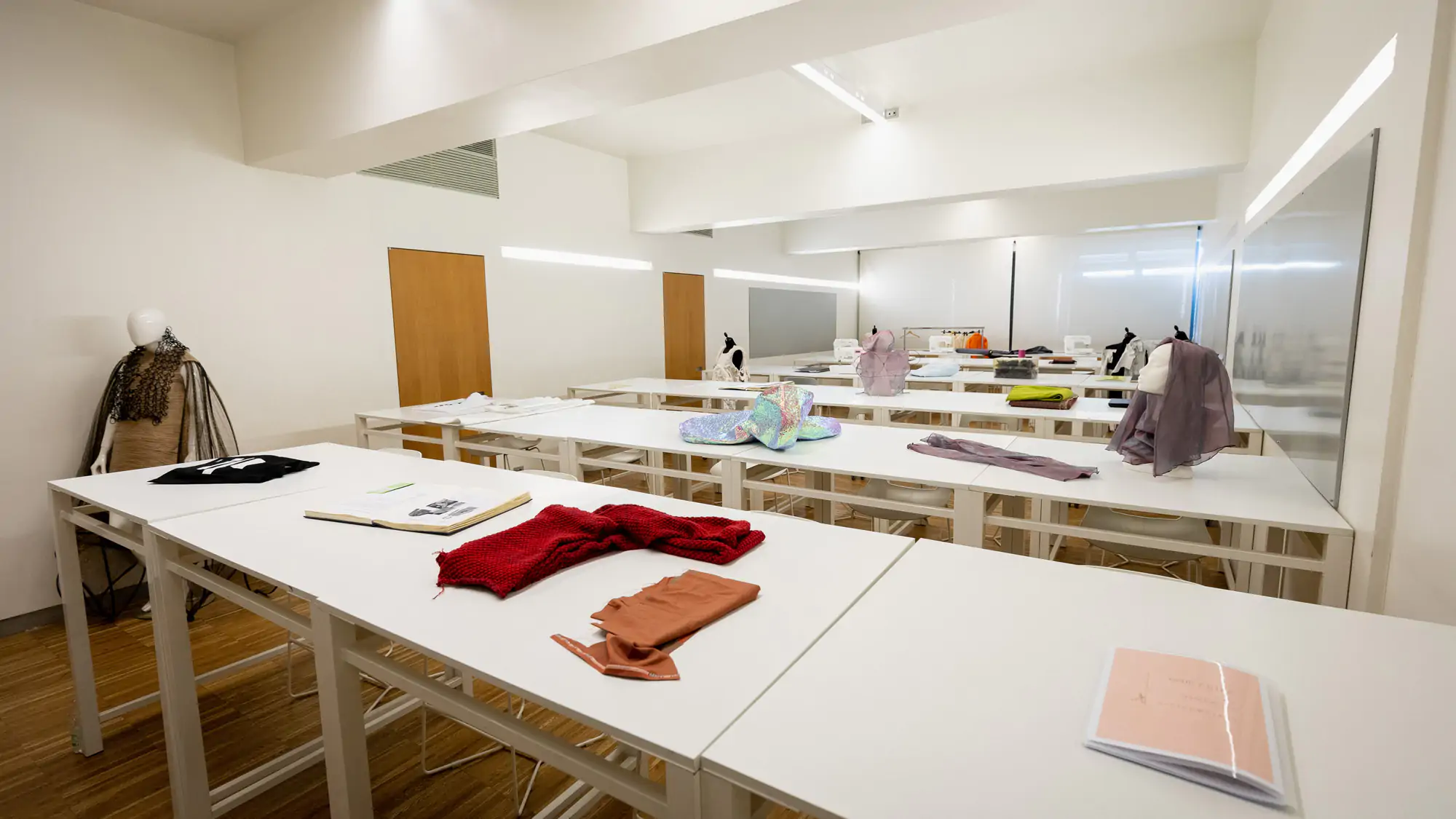
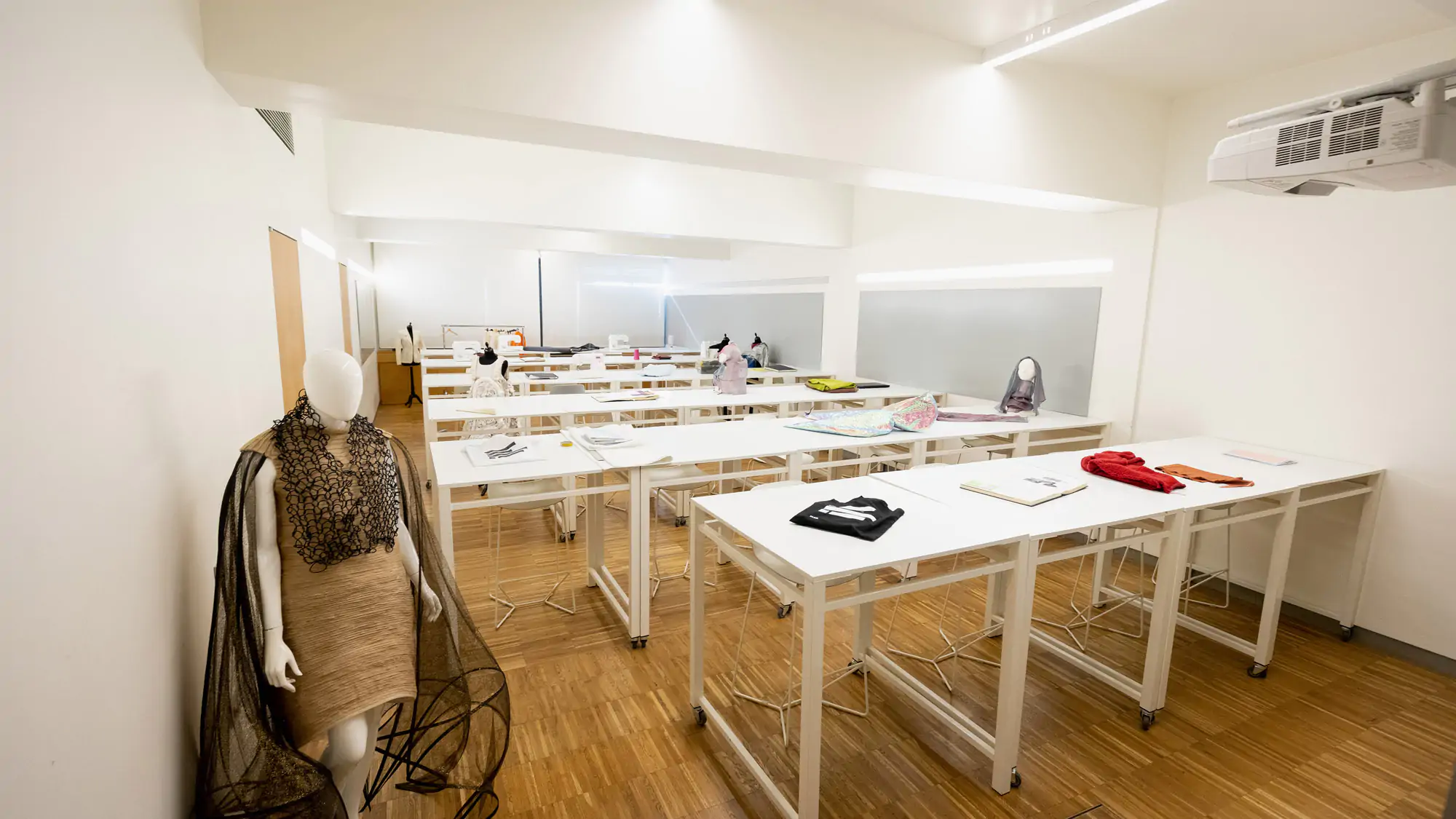
The fashion industry market requires leading, trained and flexible professionals who understand creativity and research and are qualified to plan and manage the entire life cycle of a product with extensive managerial skills and an international vision of the business. In response to this need, IAAD. proposes a two-year course in Fashion Management to complete the three-year course in Textile and Fashion Design.
The fashion industry market requires leading, trained and flexible professionals who understand creativity and research and are qualified to plan and manage the entire life cycle of a product with extensive managerial skills and an international vision of the business. In response to this need, IAAD. proposes a two-year course in Fashion Management to complete the three-year course in Textile and Fashion Design.
Start date: Coming soon
Duration: 2 years
Language: Italian
Campus: Turin and Bologna
Strategic Director:
Coordinator:
Educational Objectives
The course is structured on the topicality of the fashion scenario with particular attention to new consumer behaviors deriving from the digital revolution and production processes, focusing on subjects that will include circular economy, environmental ethics and territorial development.
Through the in-depth study of disciplines such as marketing, product development, business organization and communication strategies, already addressed in the 1° Level course, the 2° Level course provides, through a multidisciplinary path, a technical, strategic and transversal vision of the entire supply chain production of the fashion sector.
The first year focuses on the global knowledge of the fashion world, the development of graphic skills and digital reality up to an in-depth knowledge of the fashion company sector. The latter’s cognitive path will analyze the creation of the product to complement the consumer’s shopping experience.
The second year will be characterized by project-oriented activities in the field of visual merchandising, design of services and complex events.
Part of the projects will be developed in collaboration with the second-year students of the 2° Level Academic Diploma courses in Branding Communication and Interior Design and will be characterized by an indispensable attention to the issues of social responsibility, circular economy and innovation.
The ordinary courses, held by experts in the fashion sector, will be intertwined with workshops and seminars, lectures and case histories.
The 2° Level Academic Diploma course in Fashion Management will offer the market professionals with the technical and managerial skills necessary to have roles in Marketing, Buying, Merchandising, Communication, Social Media Management, eCommerce, Retail and Business Development, press office and organization of fashion events.
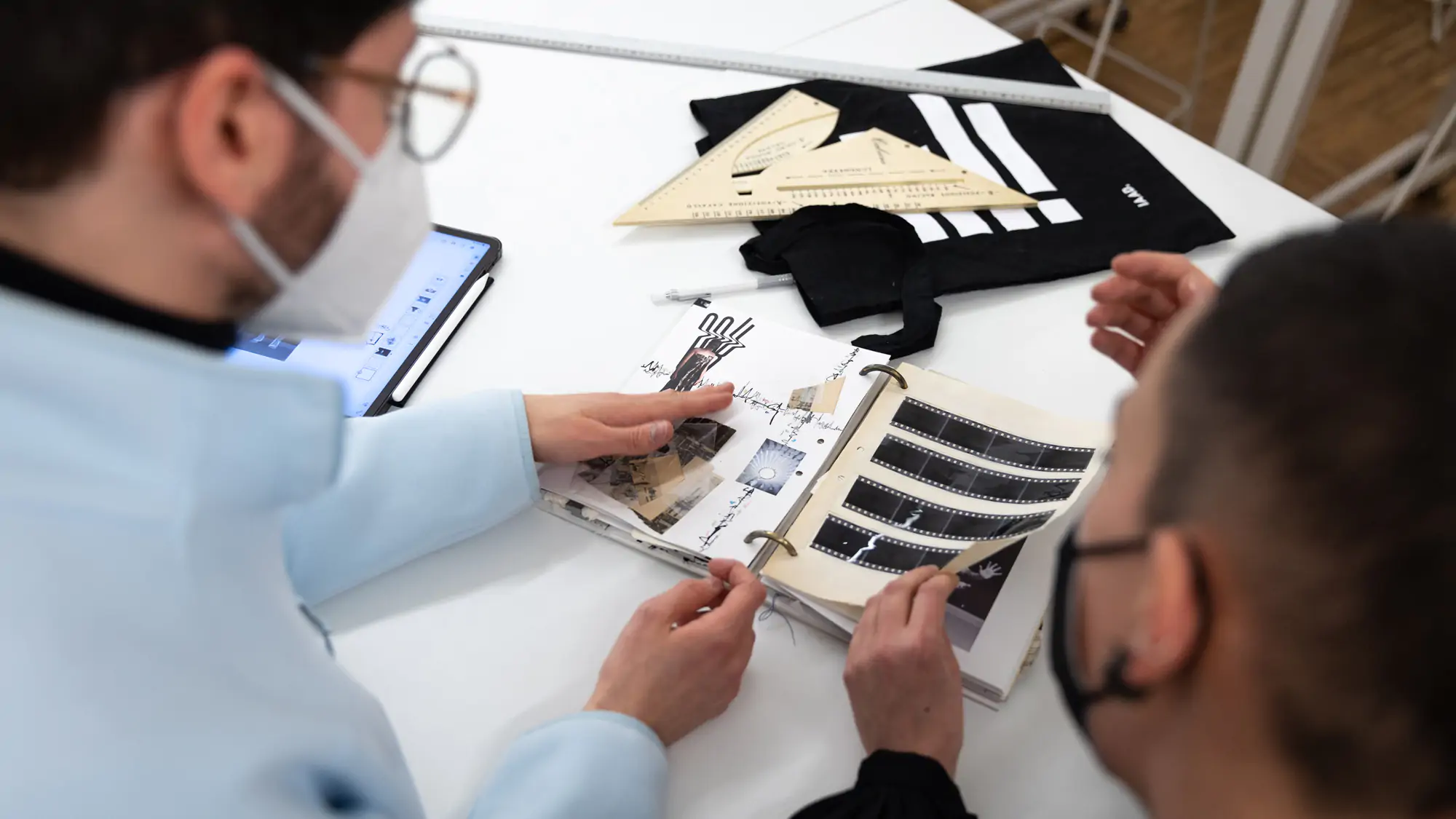




Other Postgraduate Courses

Campus:
Start date:
Duration:
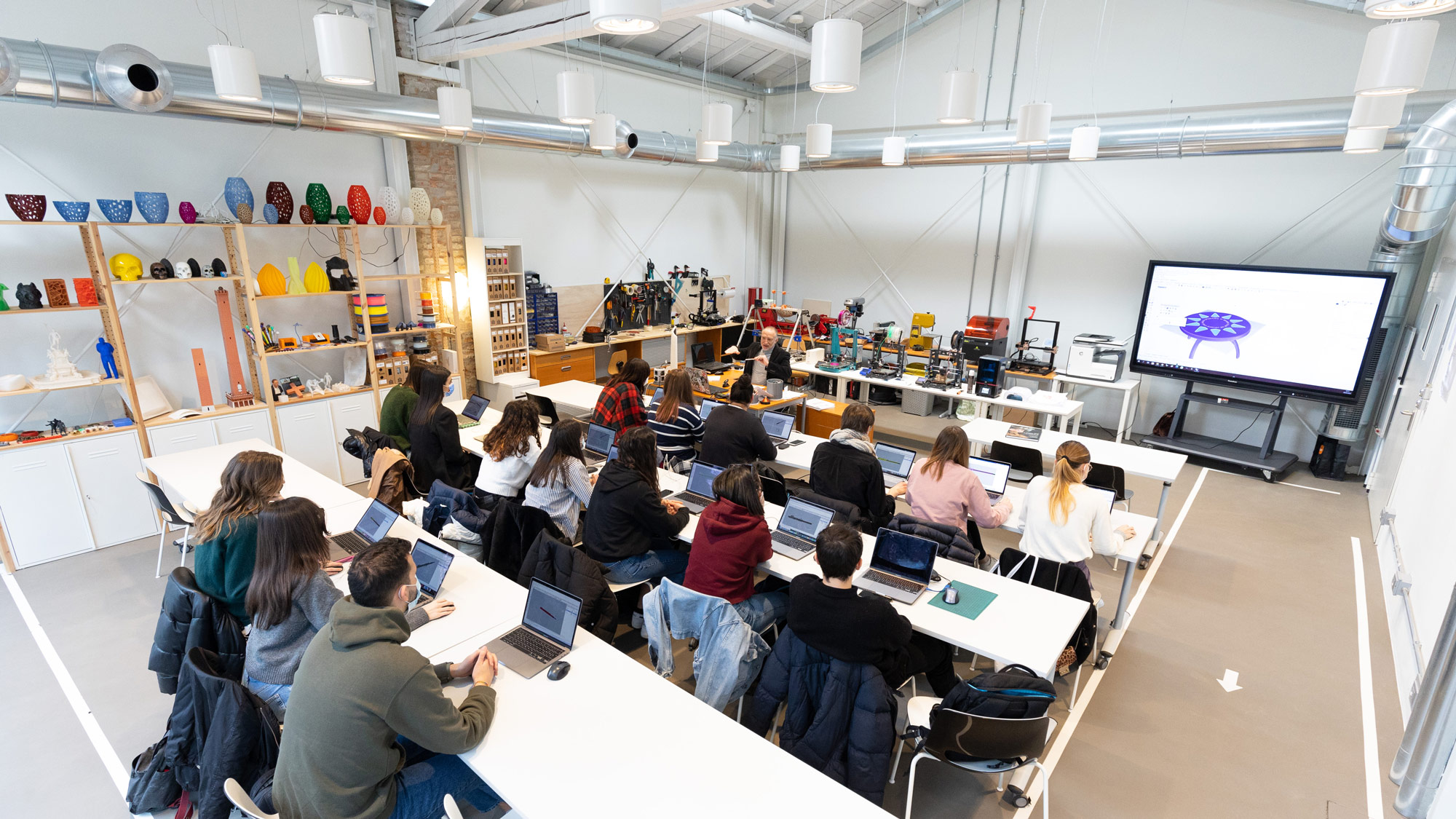
IAAD. is a candidate to structure and activate a new two-year Product Design post-graduate course developed to constitute a highly qualified professional experience in the national and international panorama of the sector, integrating and further developing the offer proposed by the 1° Level three-year program.
IAAD. is a candidate to structure and activate a new two-year Product Design post-graduate course developed to constitute a highly qualified professional experience in the national and international panorama of the sector, integrating and further developing the offer proposed by the 1° Level three-year program.
Starting date: Coming soon
Duration: 2 years
Language: Italian
Campus: Turin and Bologna
Strategic Director:
Coordinator:
Educational Objectives
The 2° Level Academic Diploma Course in Product Design – Food & Beverage Design is a two-year program that addresses the different features of design for the food sector, approaching them with the design methodology.
The goal is to prepare professionals for the Food & Beverage sector capable of designing products and brands, supporting them in defining their identity, developing and designing services and experiences.
The study plan is developed on very specific topics, able to provide a 360° view of the reference sector and the required skills. Skills that, in recent years, with the technological and communication development and with the surge of sectors such as e-commerce, are among the most requested and necessary so that the world of food and wine can find itself more and more ready for global competition. Skills that, even if the world of industry has already valued for some time, are often lacking in artisanal realities, perhaps in family businesses that follow every aspect of work but without having a complete and correct view of the system. Family businesses and small businesses that are part of the great Italian culture, of its “Made in Italy” and of the food and wine variety appreciated worldwide.
Product design is the cornerstone of the course. Students will acquire the conceptual and instrumental knowledge to activate critical and analytical processes towards the scenarios of contemporary society and, in relation to these, to produce innovation processes in products and services. Thanks to an interdisciplinary approach, the skills that allow one to manage the project in its overall process are developed: from the analysis of the general context for the identification of social and cultural needs, to the control of the set of technological-productive and market processes. Students are encouraged to develop a critical awareness of the market, aimed at encouraging, through the design of products, services and strategies, forms of greater social equity and respect for natural resources and the environment, an aspect that in recent years is very important for the entire production system linked to Food & Beverage.
Ample space is given to the design of environments for food. The objective of the teaching is to transmit the skills to intervene on the design of spaces for food, from retail to catering places. In this case the common tendency is to work and design with a concrete focus on sustainability, trying to always put the customer at the center of a system in which every detail revolves around the construction of an experience.
Students are guided through a systemic vision of design aimed at enhancing product innovation. Thanks to the different design areas, they have the opportunity to develop managerial skills, project planning, and coordination and direction of the various skills that contribute to the development of innovative processes.
Topics covered include Events Design, with a focus on the design of events for Food & Beverage: today companies present their products to the public ever more often in stands and fairs, which have become important places in which they express and communicate their vision, corporate values and mission. Multimedia languages and e-commerce design have also rapidly increased in importance in communications and marketing.
The other key theme of the course are languages, considered as a system of expressive methods that characterize and are an integral part of the project. Communication has a significant weight in the 2° Level Academic Diploma course in Product Design – Food and Beverage Design. The goal is to lead students to solve the problems related to the communication skills of objects of use, both material and virtual, considered in their interaction processes with the user. The design of the human-product/service interaction experience is an essential element of the path starting from the information structure, to arrive at interactive design and user interface.
The path is characterized by various project activities. Students will be asked to engage in interdepartmental activities through workshops and multidisciplinary projects developed in collaboration with students of one or more of the other 2° Level Academic Diploma courses (Branding Communication / Interior Design).
Upon completion of the academic journey, students will develop a final thesis project in collaboration with a real client of the reference sector.
Other Postgraduate Courses

Campus:
Start date:
Duration:

The course is structured to develop an important specialist in-depth study of the theories and practices of designing interior spaces – at different scales and intended uses – so that in these environments high levels of life quality can be guaranteed.
The course is structured to develop an important specialist in-depth study of the theories and practices of designing interior spaces – at different scales and intended uses – so that in these environments high levels of life quality can be guaranteed.
Starting date: Coming soon
Duration: 2 years
Language: Italian
Campus: Turin and Bologna
With this Postgraduate Course, IAAD. aims to prepare designers who can look at the world of interior design as an area of professional expression of passionate specificity; the main objective of this post-graduate program is to bring students to a concrete understanding of interior spaces, in their physical-geometric as well as perceptual and sensorial features, stimulating their creative skills useful for designing environments identified by high functionality and a concrete expressiveness.
The two-year program prepares to design and create private or public interiors, permanent or temporary, characterized by high conditions of general environmental comfort, educating students on the fronts of analog and digital knowledge and competence, to stimulate their ability to research and experiment with a view to developing their own, original, expressive language.
The spaces to be designed, which constitute the object of study on which to develop these advanced professional skills, concern the field of the non-temporary project – with particular reference to the residential theme – as well as design for the ephemeral – in the context of viewing design as an “installation”, this wide range includes the possibility of designing private places for living, for work, for leisure time, as well as public spaces of various kinds, including those designed for exhibition spaces.
The entire two-year period is aimed at forming specialists capable of concretely addressing the many fronts of interior architecture, with the aim of preparing them to express themselves with their own professional code that responds with “tailor-made” solutions for any task and user profile.
The academic approach is broad and transversal, including knowledge on the correct analysis and perception of spaces, on the modification of their dimensional connotations of surface and volume, as well as of the characteristics of style and finish; the idea of reaching a deep, complete and correct understanding of the architectural object directs the entire study program, which includes important digressions on the technical – and technological – characteristics useful for guaranteeing high-level environmental comfort characteristics, but also on the equipment that “inhabits” the space and on its aesthetic functional characteristics.
The reference to the culture of the context, of the place in which the project is developed and finalized, is seriously considered with the objective of obtaining results that are not generic but specific, which concern the concept of “identity of place and project”.
Specific, in-depth focuses – about lighting or ergonomics, for example – are structurally integrated into the individual learning courses which, in their entirety, intend to be structured to guarantee all students the development of a high sensitivity towards respect for the environment, sustainable growth and the circular economy, but also for “Design for All” (inclusive design dedicated to an extended user).
The interdisciplinary nature of the courses leads to a natural link between them, also with a view to developing teaching synergies between clusters of instructors; in this context of open and horizontal relationships, the numerous, important professional activities are also developed and involve interaction with numerous partner realities, in the form of special lessons, company visits, workshops, seminars, internships, projects and thesis.
The ambitious educational objectives of the two-year course of this 2° Level Academic Diploma imply that the study plans always have specific supports that are constantly checked and updated, with the precise idea and the deep conviction that they can prepare interior, furniture and accessory designers that are conscientious, attentive and sensitive and distinguished by a serious interest in research, experimentation and innovation.
In addition to the specific design subjects, strongly related to the world of Interiors, the first year study plan also includes courses and activities on the semiotics of the project, on the techniques of representation and communication of the project, on the technology of materials, and on the theme of lighting technology. The second year, which further explores the specificity of the interior design project, includes courses and activities concerning communication for exhibition spaces, on the design of services and on multimedia languages.
Other Postgraduate Courses

Campus:
Start date:
Duration:

The innovation designer, a professional who is increasingly in demand, designs creative solutions that make a positive impact and generate innovation in society, in the world of culture, and in the fluid context of new enterprises. To meet this need, IAAD. established its course in Innovation Design for Business, Culture and Society.
The innovation designer, a professional who is increasingly in demand, designs creative solutions that make a positive impact and generate innovation in society, in the world of culture, and in the fluid context of new enterprises. To meet this need, IAAD. established its course in Innovation Design for Business, Culture and Society.
Start Date: October 2025
Duration: 3 years
Language: Italian
Campus: Turin
Strategic Director: Gianpaolo Barozzi
Coordinator: Sergio Galasso
Overview
The undergraduate Course in Innovation Design for Business, Culture and Society is the only three-year bachelor’s course in Italy that trains professionals to use design to manage innovation in crucial issues such as sustainability, the circular economy and inclusiveness.
Whether working in newly established businesses (startups) or in established organizations (companies, institutions, NGOs), this new generation of ethically focused designers is called upon to create solutions with social and environmental value and an international perspective.
Educational Objectives
The study plan combines design, social sciences and economic-managerial skills with design methodologies and tools that are used in the communication, digital and creative fields.
Each course alternates elements of theory with project work and field activities, using teaching methodology that goes beyond the traditional lecture style to encourage the development of creative thinking and technical skills, as well as managerial and leadership attitudes.During the program, students will have the possibility to collaborate with both local entities and national companies. This professional contact gives students the opportunity to practice their skills and knowledge in real projects, with a multi-disciplinary approach that allows them to interact with other departments at IAAD.
With this approach, at the end of the program students will have acquired a series of skills that will prepare them to enter the working world with a professional ability to respond to contemporary challenges.
First Level Academic Diploma recognized by the MUR (Ministry of Education, Universities and Research) equivalent to a Bachelor’s Degree in Design (DIPL02) – Innovation Design for Business, Culture and Society – Social Innovation Design
In this context, the main career opportunities are:


Other Undergraduate Courses

Campus:
Start date:
Duration:
In a world full of words and images, is it possible to produce and communicate a message that captures attention? IAAD.’s course in Communication Design trains professionals with a creative vision of communication design to create innovative and effective projects.
In a world full of words and images, is it possible to produce and communicate a message that captures attention? IAAD.’s course in Communication Design trains professionals with a creative vision of communication design to create innovative and effective projects.
Start Date: October 2025
Duration: 3 years
Language: Italian
Campus: Turin
Strategic Director: Aurelio Tortelli
Coordinators: Livio Milanesio
Overview
In a field as complex and constantly evolving as communication, the designer needs an approach that can be adapted to a multitude of opportunities.
The course’s multidisciplinary training allows the communication designer to explore the synthesis between theoretical-humanistic and technical-scientific knowledge. Its goal is to train designers who can manage a communication project in its entirety with a new sensibility, attentive to issues of inclusivity and sustainability.
Educational Objectives
During the three-year course, students will receive cross-cutting training in diverse areas of communication that interact with each other, from advertising in the strict sense (large ad campaigns, television commercials, etc.) to graphic design, branding, web design, marketing, and mobile applications.
The first year is dedicated to the basics. Students will become proficient in the main Adobe suite software (Photoshop, Illustrator and InDesign) while mastering the fundamentals of advertising, graphic design and social marketing. These subjects will be complemented by more theoretical coursework focusing on creativity, strategy and history.
The second year explores these areas more in depth and is also oriented toward experimentation, with particular attention to design, research, and creativity. While analyzing the contemporary media world, students acquire the skills and methodology needed to develop complex and well-articulated communication projects (branding, advertising, publishing, exhibit design) that strengthen the visual and strategic image of a brand.
The final year solidifies what the students have learned. Their design skills and knowledge will have real-world significance and meaning as they are tested in thesis projects, workshops and internships with the advertising companies and studios that collaborate with IAAD.
The result of this solid preparation is a new generation of professionals who are aware of the context of their work, are curious about what they encounter, and are able to adapt to diverse work environments.
First Level Academic Diploma recognized by the MUR (Ministry of Education, Universities and Research) equivalent to a Bachelor’s Degree in Graphic and Editorial Design (DIPL01) – Communication Design
This flexible and multi-disciplinary course prepares graduates for a wide variety of positions in line with their aspirations, such as art director, copywriter, illustrator, visualizer, packaging designer, photographer, web designer, app designer, event manager, set designer, logo designer, accountant, marketing consultant, and animation designer.
Other Undergraduate Courses

Campus:
Start Date:
Duration:

New digital tools have revolutionized the communication industry, expanding professional opportunities.
Advanced skills are required that not only combine creativity and knowledge of the digital media design process, but that also anticipate the progress of technology and digital platform use.
New digital tools have revolutionized the communication industry, expanding professional opportunities.
Advanced skills are required that not only combine creativity and knowledge of the digital media design process, but that also anticipate the progress of technology and digital platform use.
Start Date: October 2025
Duration: 3 years
Language: Italian
Campus: Turin
Strategic Director: Aurelio Tortelli
Coordinators: Christian Popodi
Educational Objectives
The Digital Communication Design course uses a multidisciplinary approach to train professionals who at the end of the program will be able to demonstrate mastery of digital tools and will be prepared to face the new challenges of a sector in continuous evolution.
The course aims to instruct students in the:
– Acquisition of basic technical and theoretic skills
– Development of individual talent and design skills
– Ability to develop a strategic vision
The first year is dedicated to instruction in the basic technical knowledge of photography, illustration and layout using major software programs such as Photoshop, Illustrator, InDesign and Premiere. These technical skills are accompanied by instruction in communication theory, history and strategy, to provide students with the planning skills and language they will need to face the digital world.
The second year moves on to the development of planning and design skills, with a strong focus on digital tools that support IT and web development, including UX/UI design, After Effects, the Semantic Web,digital art direction and marketing, project management, media writing skills and mobile apps. It is a year dedicated to experimentation, in which practical exercises in individual and group projects offer continuous inspiration during the learning process.
In the third year, students will refine their skills from a strategic perspective as they orient themselves toward the professional world.
Various aspects of the digital world will be explored in depth: sound design, event design, digital strategy and virtual and augmented reality, with particular emphasis given to innovative technologies such as the Internet of Things, Big Data and artificial intelligence.
During this final year, students will work on projects in collaboration with leading companies, addressing topics both from a theoretical-conceptual perspective, with the guidance of their instructors, and from a concrete, practical perspective, as they will be given the possibility to experience the market demands first-hand.
First Level Academic Diploma recognized by the MUR (Ministry of Education, Universities and Research) equivalent to a Bachelor’s degree in Bachelor’s Degree in Graphic and Editorial Design (DIPL01) – Digital Communication Design
This comprehensive training course will give students the opportunity to choose a career that best aligns with their specific abilities and interests among the various professions in digital fields: digital art director, video maker, social media manager and copywriter, content creator, sound designer, UX/UI designer, graphic designer, web marketing specialist, digital/creative strategist.
IAAD. also assists student entrepreneurs who want to transform and develop their project ideas into start-ups, giving shape to what they have learned during the three-year program.
Other Undergraduate Courses
Book a meeting
Check out our calendar of upcoming Orientation events